

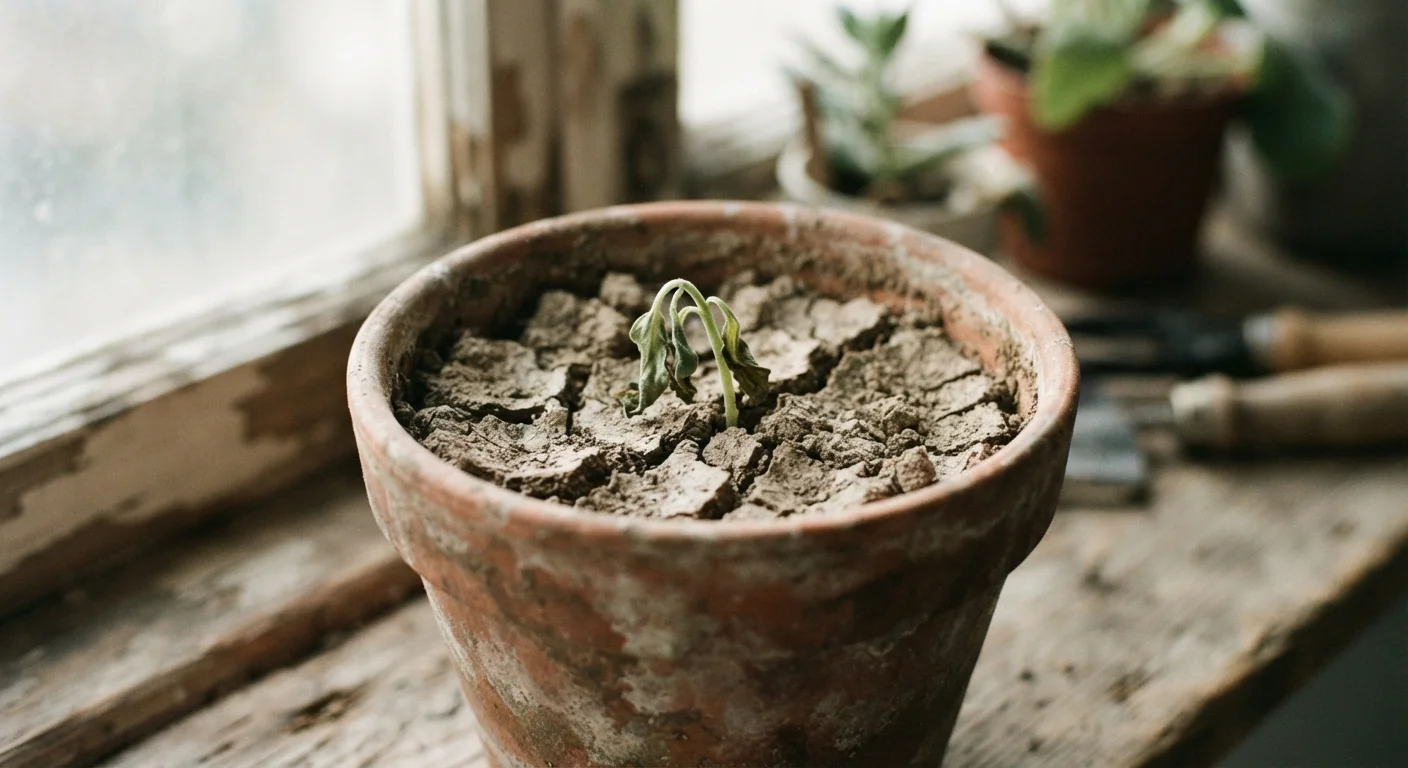
The First Few Weeks Are the Hardest
Starting a garden feels exciting — but the early weeks are where most first-time gardeners encounter their first losses. A seedling that looked healthy in the nursery turns yellow within days. A transplant collapses overnight. Understanding why plants fail during establishment is the most practical thing a new gardener can learn.
The good news: nearly every common cause of early plant death is avoidable once you know what to look for. Before you dig your first hole this season, our pre-season preparation checklist can help you set up conditions where plants actually thrive from day one.
Overwatering from the very start, keeping soil consistently soggy.
Why it happens: New gardeners equate attentive care with frequent watering, assuming more water means a healthier plant. The visible symptoms of overwatering — yellowing, drooping — look identical to underwatering, making it easy to double down on the wrong response.
Placing plants in light conditions that don't match their needs.
Why it happens: Plant tags often use vague terms like 'full sun' or 'partial shade' without defining them clearly, and beginners commonly overestimate how much light a spot actually receives throughout the day.
Skipping the hardening-off process when moving seedlings from indoors to outside.
Why it happens: The urgency to get plants in the ground — especially after nurturing seedlings for weeks — leads gardeners to skip the gradual transition period that prepares plants for outdoor conditions like wind, temperature swings, and intense sun.
Planting in poor or compacted soil without amendment.
Why it happens: Soil looks uniform to the eye, and beginners often assume any dirt will work. Dense or nutrient-depleted soil prevents root development and drains poorly, starving plants of both oxygen and nutrients.
Disturbing roots excessively during transplanting.
Why it happens: Gardeners sometimes loosen a root ball aggressively to 'free' the roots, not realizing that fine root hairs — essential for water and nutrient uptake — are extremely fragile and easily torn.
Reading the Warning Signs Early
Plants communicate stress clearly — if you know the language. Yellowing lower leaves often point to overwatering or poor drainage. Leggy, stretched growth signals insufficient light. Brown leaf edges after transplanting usually indicate transplant shock or wind exposure. Pale new growth can mean roots aren't yet functioning well enough to uptake nutrients.
Don't Mistake Wilting for Thirst
A wilting plant is not always a dry plant. Overwatered roots rot and can no longer deliver water to leaves — causing the same drooping appearance as drought stress. Before watering a wilting plant, push your finger an inch into the soil. If it feels damp, hold off and check drainage instead.
The most useful habit for any new gardener is daily observation without intervention. Walk through your garden and look closely, but resist the urge to adjust something every time a plant looks imperfect. Many early symptoms resolve on their own once a plant settles in.
Fertilizing Stressed Plants Makes Things Worse
When a newly planted or struggling plant looks pale or weak, the instinct to feed it can backfire badly. Fertilizer applied to stressed or damaged roots causes chemical burn, accelerating decline rather than recovery. Wait until a plant shows clear, healthy new growth before introducing any fertilizer.
Some gardening 'rules' that seem helpful actually make early failures more likely. If you've absorbed conventional wisdom about watering schedules or soil types, it's worth checking whether those ideas hold up — our piece on common garden myths covers several that trip up beginners most often.
Early plant loss is discouraging, but it's also informative. Each failure narrows down what your specific garden conditions actually need — and that knowledge compounds into genuine skill over time.
~90%
of seedling failures tied to watering errors
Horticulture extension educators consistently cite improper watering — either too much or too little — as the leading cause of seedling and transplant failure in home gardens.
1–2 weeks
typical transplant shock recovery window
Most healthy transplants stabilize within one to two weeks when given appropriate water, shade protection, and minimal disturbance during establishment.
The content on this site is for informational purposes only and is not a substitute for professional advice. Always consult a qualified professional for guidance specific to your situation.