

Why Parks Started Requiring Reservations
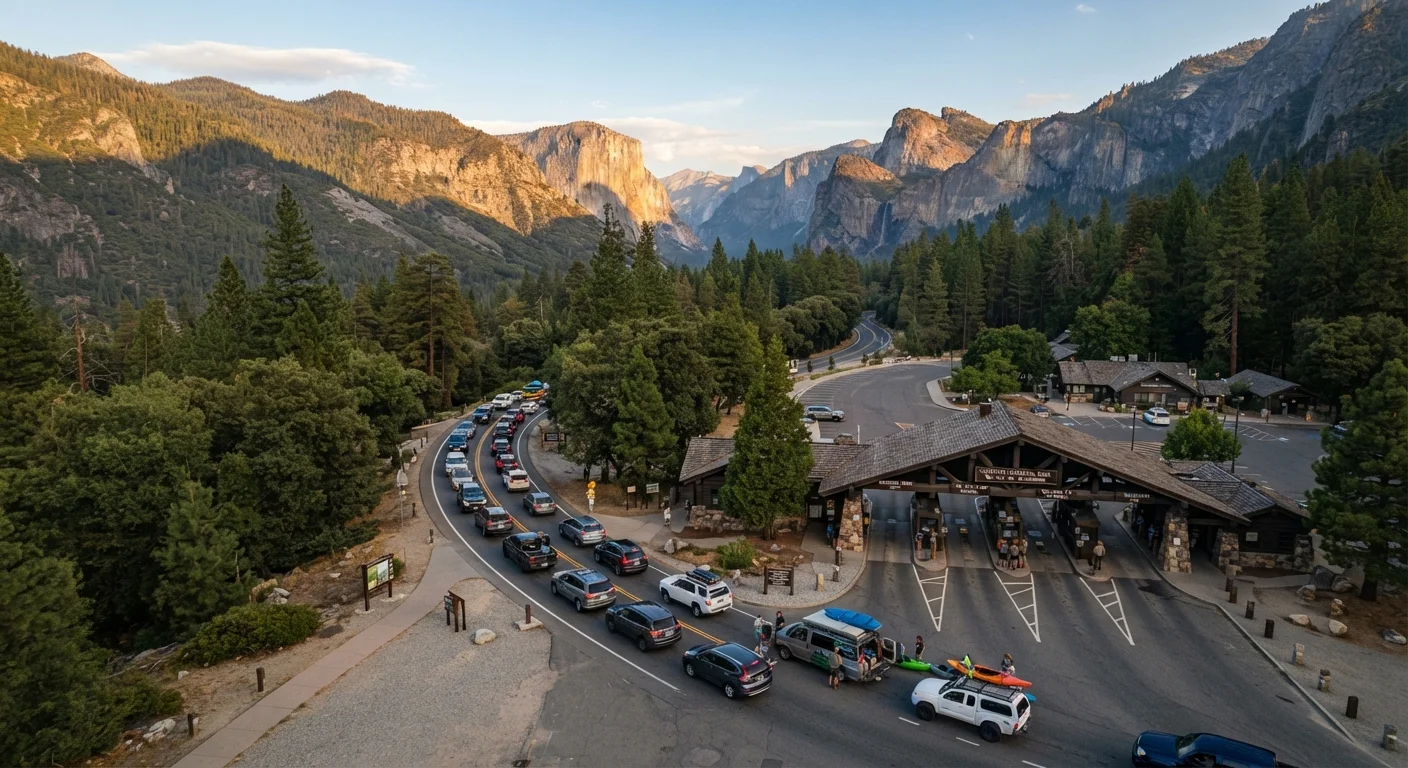
National park visitation has grown dramatically over recent decades. Parks like Zion, Arches, and Yosemite began regularly seeing traffic jams on scenic drives, overflowing parking lots, and trails crowded to the point of ecological damage. In response, the National Park Service (NPS) introduced timed-entry permit systems at the most heavily visited sites — shifting the experience from first-come, first-served chaos to a more managed flow of visitors.
The approach isn't new — Yosemite experimented with reservation requirements as far back as the 1970s — but the current wave of systems expanded significantly following a surge in outdoor recreation interest. The systems are intended to benefit both the landscape and the visitor: shorter wait times, less congestion, and a more immersive experience in places that genuinely need protection.
Reservation Rules Change Seasonally
Timed-entry requirements at many parks are not year-round — they're typically enforced during peak season windows (often late spring through early fall) and lifted during quieter months. A park that required reservations last summer may offer free walk-in access in March. Always check nps.gov for the current year's specific requirements rather than relying on past experience or third-party summaries.
The Three Main Types of Access
Understanding how to get into a park starts with knowing which category it falls into:
- Free general entry: The majority of national parks — including Great Smoky Mountains, Acadia outside peak windows, and many western parks in the shoulder season — require no advance permit. You pay an entrance fee (or present a pass) and drive in.
- Timed-entry permits: Parks or specific corridors within them require a vehicle or individual permit tied to an arrival window. Zion's scenic drive shuttle system and Arches National Park's timed-entry pilot are examples. Permits are booked through Recreation.gov.
- Lottery-based permits: For highly coveted, low-capacity experiences — the Wave at Coyote Buttes North, Half Dome cables hike, Havasupai Falls — a lottery randomly allocates permits among applicants. Lotteries typically open months before the visit date and require a non-refundable application fee.
Within permit-required parks, walk-up access often remains possible. Many parks release a portion of same-day permits online or at the visitor center — arriving early improves your odds considerably.
Set a Calendar Reminder for Release Dates
High-demand timed-entry permits for parks like Yosemite and Arches often sell out within minutes of their release window opening. Check the park's official NPS page for the exact date and time permits go live, then set a phone reminder to log into Recreation.gov right at that moment. Having your payment info saved in your account beforehand shaves off the critical seconds that can make the difference.
How to Actually Book a Permit
Recreation.gov is the starting point for nearly all federal land reservations. Creating an account is free, and the platform lets you search by park, activity type, or date. For timed-entry permits, release dates are posted on the specific park's NPS page — bookmark that page and set a reminder, because high-demand windows sell out in minutes.
Key practical steps for any permit-required visit:
- Visit the park's official NPS page (nps.gov/) to read current entry requirements — rules update seasonally.
- Note the reservation open date and time, usually listed weeks or months in advance.
- Create or log into your Recreation.gov account before the release date so you're ready to book immediately.
- For lotteries, submit your application within the lottery window — not on the release date, but during a separate application period. Results are typically emailed within a week or two.
- If you miss out, check Recreation.gov for cancellations, which appear regularly as travel plans change.
Just as understanding entry requirements matters when traveling internationally — as explained in our guide to visas and travel authorizations — knowing the exact rules for your specific park visit prevents costly surprises.
325M+
Annual visits to US national parks
The National Park Service reported over 325 million recreation visits across all park units in recent years, driving the expansion of reservation systems at high-demand sites.
64
Daily permits issued for the Wave
Coyote Buttes North (the Wave) in Arizona limits access to 64 people per day, split between an online advance lottery and a daily walk-up lottery, illustrating the extreme end of permit scarcity.
430+
Sites managed by the NPS
The National Park Service oversees more than 430 units — including national parks, monuments, seashores, and recreation areas — the vast majority of which do not require advance timed-entry permits.
Making the Most of Your Park Visit
Permit or not, a little strategy goes a long way. Visiting during shoulder seasons — spring and fall for most parks — means smaller crowds, more available permits, and often more dramatic scenery. Early mornings consistently offer the best wildlife sightings, cooler temperatures, and uncrowded trails regardless of the reservation system in place.
If your preferred park is fully booked, consider exploring adjacent national forests, Bureau of Land Management (BLM) lands, or state parks in the same region — many offer comparable landscapes without the demand spike. Flexibility in dates and destination is genuinely the traveler's most powerful tool when working within any reservation system.
Always verify conditions, road closures, and current entry requirements directly through nps.gov immediately before your trip. Requirements that applied last season may have changed, and official sources are the only reliable reference for what's in effect on your travel dates.
Frequently Asked Questions
No. Most national parks do not require advance reservations for general entry. Only a smaller subset — those facing severe overcrowding, like Yosemite, Zion, and Arches — have implemented timed-entry permits for certain corridors or peak seasons. Check the specific park's National Park Service page before you go.
Recreation.gov is the official federal booking platform for US public lands including national parks, forests, and recreation areas. You create a free account and use it to book timed-entry permits, campsites, and lottery entries. Permit windows typically open months in advance for high-demand sites.
A timed-entry permit grants access to a park or a specific area within it during a designated time window — for example, entering Yosemite Valley between 6 a.m. and 10 a.m. It limits the number of vehicles or visitors simultaneously, reducing congestion on roads and trails.
Lottery systems randomly select applicants for a fixed number of permits, giving everyone who applies during the lottery window an equal chance. If selected, you pay for your permit and your visit is confirmed. Lotteries are common for places like the Wave in Arizona and Half Dome in Yosemite.
Often yes. Many permit-required parks release a portion of permits as walk-up or same-day availability at ranger stations or through Recreation.gov. Arriving early on the day of your visit — or checking for cancellations online — can still land you access without advance planning.
No. The America the Beautiful annual pass (also called the Interagency Annual Pass) covers entrance fees but does not substitute for a timed-entry permit or reservation where one is required. You may need both a valid pass and a permit for certain parks during peak season.
The content on this site is for informational purposes only and is not a substitute for professional advice. Always consult a qualified professional for guidance specific to your situation.