

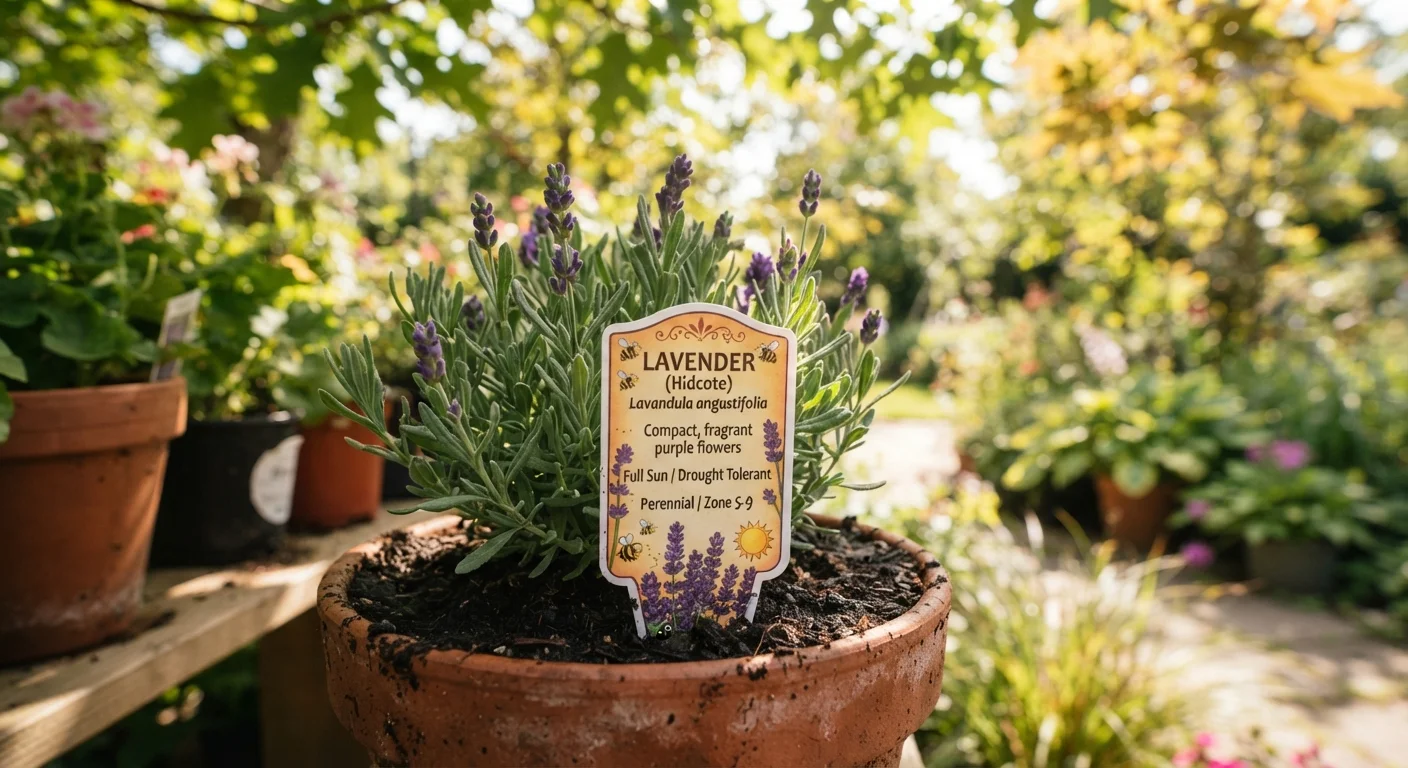
Why Light Labels on Plant Tags Actually Matter
Walk through any garden center and you'll see those small plastic tags tucked into every pot and flat. Most shoppers check the plant's name and maybe its color — but the light requirement printed there is just as important as the plant's variety. Getting it wrong is one of the most common reasons a new plant struggles or dies within its first season.
Light labels aren't just guidelines — they reflect how a plant evolved. A fern from a forest floor and a lavender plant from a sun-drenched hillside have completely different internal mechanisms for capturing and using sunlight. Putting either one in the wrong environment creates stress the plant may not recover from.
Understanding what each label actually means in measurable, practical terms lets you shop smarter and set every plant up for success from the moment you bring it home. Just like reading a seed packet can prevent costly planting mistakes, decoding light labels saves you time, money, and frustration.
Breaking Down the Four Main Light Categories
Plant tags use a fairly consistent set of terms, though some variation exists between nurseries. Here's what each category means in real hours of sunlight per day:
- Full Sun: 6 or more hours of direct sunlight daily. This is unfiltered, direct light — not bright shade. Think open vegetable beds, south- or west-facing borders, and spots with no overhead tree cover.
- Part Sun / Part Shade: 3 to 6 hours of direct sunlight daily. These terms are often interchangeable, but part sun plants tend to prefer the higher end of the range, while part shade plants lean toward the lower end and may need shelter from hot afternoon rays.
- Full Shade: Fewer than 3 hours of direct sun per day. Full shade does not mean darkness — most shade-loving plants still need ambient, indirect light to photosynthesize. Dense woodland understories or the north side of a house are typical full-shade environments.
6+ hrs
Daily sun required for full-sun plants
Horticulture extension programs consistently define full sun as a minimum of six direct sunlight hours per day.
3–6 hrs
Daily sun for part sun or part shade
This middle range covers the widest variety of common garden plants, including many flowering perennials and vegetables.
<3 hrs
Daily sun threshold for full shade
Most shade-tolerant plants still require some ambient indirect light to grow — true zero-light environments support very few species.
If a tag lists two conditions — such as "full sun to part shade" — the plant is adaptable, but you may notice differences in performance depending on what it gets. Flowering plants often bloom more abundantly with more sun; foliage plants can be lusher in shadier spots.
Morning Sun vs. Afternoon Sun: The Quality Difference
The number of sunlight hours only tells part of the story. When those hours occur during the day significantly affects how a plant experiences them.
Morning sun (roughly before noon) is cooler, lower in intensity, and less likely to cause leaf scorch. Many plants labeled as part shade actually thrive with morning sun exposure. The light helps them photosynthesize efficiently without the thermal stress of peak afternoon heat.
Afternoon sun (roughly noon onward, especially 2–5 p.m.) is more intense, hotter, and more drying. Full-sun plants — like tomatoes, zinnias, or lavender — are built to handle this. Shade-preferring plants, like impatiens or hostas, can burn and wilt quickly if exposed to several hours of intense afternoon rays.
Track Your Yard's Light Before You Plant
Spend one sunny day walking your yard every few hours and noting which areas are in direct sun versus shade. Even a simple hand-drawn diagram with time notes can prevent mismatches between your plants' needs and your actual growing conditions. This step takes less than an hour and can save a full season of frustration.
When you read "part shade" on a tag, a garden bed that gets strong morning sun but is shaded by a fence or building after 1 p.m. can be an ideal placement — even if the total daily sun hours add up to the lower end of the range.
How to Assess the Light in Your Own Yard
Most gardening failures trace back to assumptions about a yard's light rather than actual observation. Before you plant, take one clear day to track the sunlight in your planting areas.
- Choose a clear, sunny day and check each area you plan to use at 9 a.m., noon, 3 p.m., and 5 p.m.
- Note whether each spot is in full direct sun, dappled shade, or full shade at each check-in.
- Count the hours of direct sun each area receives over the day — if a spot is sunny from 8 a.m. to 2 p.m. and shaded after that, it's receiving roughly 6 hours and qualifies as a full-sun location.
- Sketch a simple diagram of your yard with notes. Seasons shift sun angles, so keep in mind that summer sun is higher in the sky and shaded spots in spring may receive more sun by July.
This single observation exercise removes guesswork and helps you match the right plant to every corner of your outdoor space with confidence.
Frequently Asked Questions
Full sun means a plant receives at least six hours of direct, unobstructed sunlight each day. This should be actual sun hitting the plant — not light filtered through a tree canopy or reflected off a surface. Consistent, daily exposure is what matters most.
The two terms are often used interchangeably, but there is a subtle difference. Part sun typically implies a preference for more sun within the three-to-six-hour range, while part shade leans toward the lower end and may signal the plant benefits from protection from harsh afternoon rays.
Generally no. Full-shade plants are adapted to low-light conditions and will typically scorch, wilt, or suffer leaf burn when exposed to prolonged direct sunlight. Placing them in deep shade or dappled light will give them the best chance of thriving.
The most reliable method is to observe and note which areas of your yard are in direct sun at different times — morning, midday, and late afternoon. Do this on a clear day and track each spot over the full day. Even a simple sketch with time notes helps you match plants to the right locations.
Afternoon sun is more intense and hotter because the sun is higher in the sky and heat has built up throughout the day. Morning sun is cooler and gentler. Plants labeled as preferring 'part shade' often do well with morning sun and protection from the harsh afternoon hours.
A full-sun plant placed in too much shade will typically grow leggy and weak as it stretches toward available light, produce fewer flowers or fruits, and become more susceptible to disease. Adequate sunlight is essential for photosynthesis and overall plant health.
The content on this site is for informational purposes only and is not a substitute for professional advice. Always consult a qualified professional for guidance specific to your situation.