

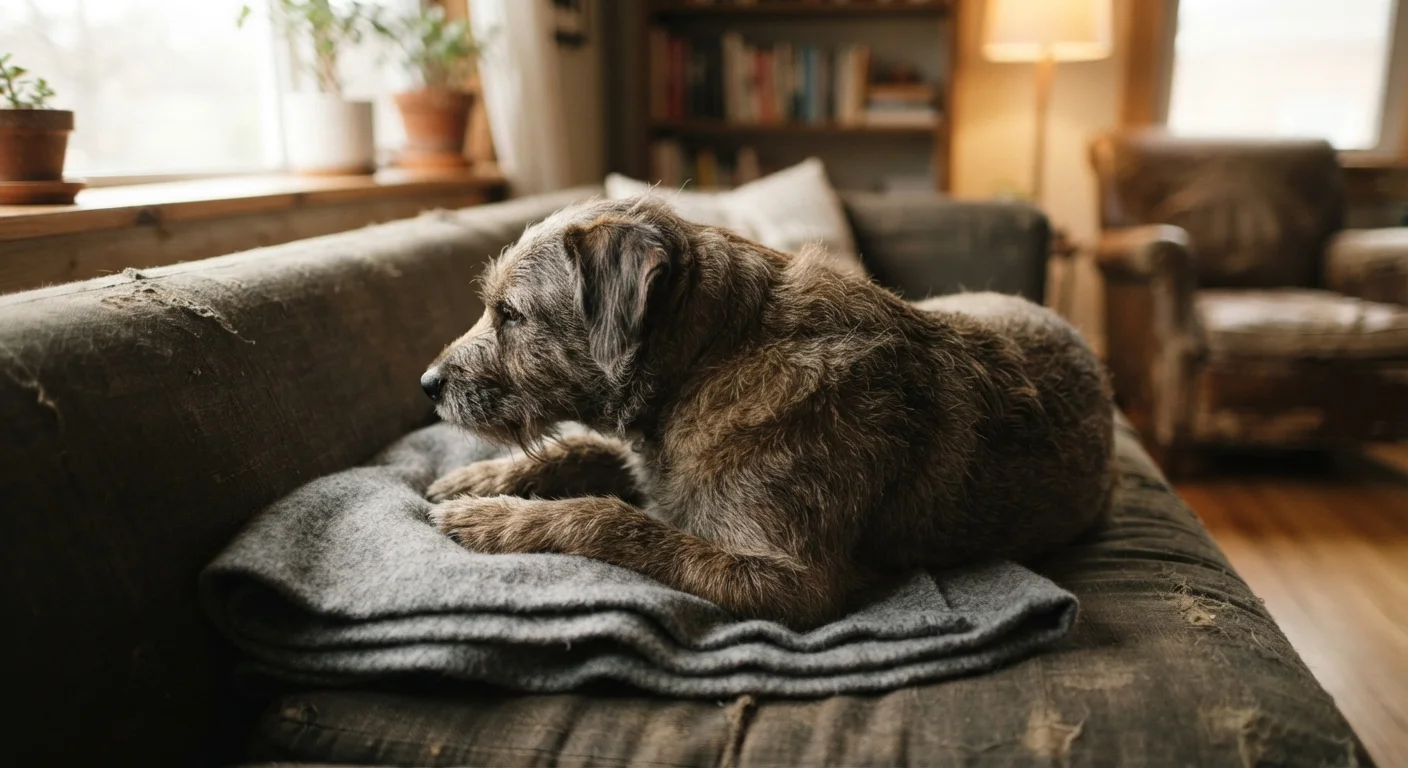
Why Dogs Hide Pain — and Why That Matters
Dogs evolved from animals that needed to appear strong in the wild. Showing weakness could make them vulnerable to predators or rivals, so masking discomfort became a deeply ingrained survival instinct. Your dog carries that same wiring today — which means a wagging tail and a calm demeanor don't always tell the full story.
This instinct to hide pain is one reason veterinarians emphasize watching for behavioral changes, not just physical ones. A dog in chronic pain may appear outwardly normal to a casual observer. But as someone who knows your dog's baseline — their habits, energy level, personality — you're in the best position to catch what a stranger wouldn't notice. The challenge is knowing what to look for. Understanding your dog's body language is a foundational skill here; learning to read body language accurately can help you distinguish normal quirks from genuine distress signals.
Sudden changes in appetite or water intake
A dog that suddenly loses interest in food — or conversely, starts eating or drinking far more than usual — may be experiencing pain or an underlying condition causing discomfort. Nausea from pain, difficulty bending to the food bowl, or mouth pain from dental issues can all suppress appetite. Keep in mind that oral pain is a common and under-recognized cause of appetite changes in dogs.
A dog that stops finishing its bowl may be in too much discomfort to eat comfortably.
Reluctance to move, jump, or climb stairs
If your dog hesitates before jumping onto furniture they previously leapt onto without thought, or slows down significantly on walks, that change in mobility deserves attention. Dogs with joint pain, spinal discomfort, or muscle soreness often self-limit activity without any obvious limping. Reluctance to use stairs or trouble rising from a lying position are particularly common signs of musculoskeletal pain.
Hesitating before a familiar jump is often one of the earliest signs of joint pain.
Altered grooming behavior
A dog that excessively licks, chews, or bites at a specific area of their body is often trying to address localized pain — even if the skin at that spot looks normal. Conversely, a dog that stops self-grooming as much as usual may be finding the physical effort of grooming uncomfortable. Both overgrooming a specific spot and general grooming decline are worth noting and mentioning to your vet.
Persistent licking at one body area is frequently a response to pain beneath the skin.
Subtle posture or gait changes
Dogs in pain often shift weight off the affected area, resulting in a slightly asymmetrical stance, a tucked abdomen, a hunched back, or a head held lower than usual. These changes can be easy to miss unless you're actively watching. A gait that looks slightly "off" but doesn't rise to the level of obvious limping still warrants evaluation — intermittent or mild lameness is real pain. Posture is one of the clearest windows into how a dog feels.
A subtly hunched back or uneven stance can reveal pain that a dog won't vocalize.
Changes in sleep patterns or restlessness at night
Pain frequently disrupts sleep. A dog that gets up repeatedly during the night, shifts positions often, or seems unable to settle comfortably may be struggling to find a pain-free resting position. Conversely, a dog sleeping significantly more than usual may be fatigued by chronic low-level pain. Either extreme — more restlessness or more lethargy than is typical for your individual dog — is a signal worth monitoring.
Repeated nighttime position changes often mean a dog can't get comfortable due to pain.
Social withdrawal or unusual clinginess
Some dogs in pain become quieter and more withdrawn, avoiding interaction they normally seek out. Others become unusually clingy or anxious. Either pattern can reflect the emotional dimension of chronic discomfort. If your dog suddenly wants more reassurance than usual — or less social contact — consider pain as a possible explanation alongside behavioral causes. A dog that growls or snaps when touched in an area they previously had no objection to is communicating pain directly.
A dog that growls when touched in a new spot is telling you something hurts there.
Facial tension or squinting eyes
Research into canine pain assessment, including tools used by veterinary professionals, identifies facial expression as a meaningful pain indicator. A dog in discomfort may have a slightly furrowed brow, ears pulled back, eyes partially closed or squinting, and a tight or withdrawn mouth. These are subtle cues that don't always read as obvious distress but are consistent signals when present. If your dog's face looks different from their relaxed baseline, take note.
A furrowed brow or squinting gaze can be a quiet but genuine signal of pain.
When to Act — and What to Tell Your Vet
If you notice any of the signals below consistently — especially combinations of two or more — schedule a veterinary appointment rather than waiting to see if things improve on their own. Pain that goes unaddressed tends to worsen, and many underlying causes are far more manageable when caught early.
Keep a Simple Behavior Log
If you suspect your dog is in discomfort but aren't sure, start a brief daily log noting appetite, mobility, sleep quality, and any unusual behaviors. Even a few days of notes gives your veterinarian much more useful information than a general sense that something seems wrong. A short video of the behavior — a gait change, a reluctant movement — can also be invaluable at an appointment.
When you call your vet, be as specific as possible: when you first noticed the change, how often it occurs, what makes it better or worse, and whether anything happened around the time it started. That context helps your vet narrow down the cause much faster than a general description of "acting off." Good dental health is also worth mentioning during any pain-related visit — dental disease causes significant pain in dogs and is frequently overlooked. This article is general educational information and is not a substitute for professional veterinary advice. Always consult your veterinarian if you have concerns about your dog's health or comfort.
This article is for informational purposes only and does not constitute veterinary or medical advice. If you are concerned about your dog's health, consult a licensed veterinarian.
The content on this site is for informational purposes only and is not a substitute for professional advice. Always consult a qualified professional for guidance specific to your situation.