

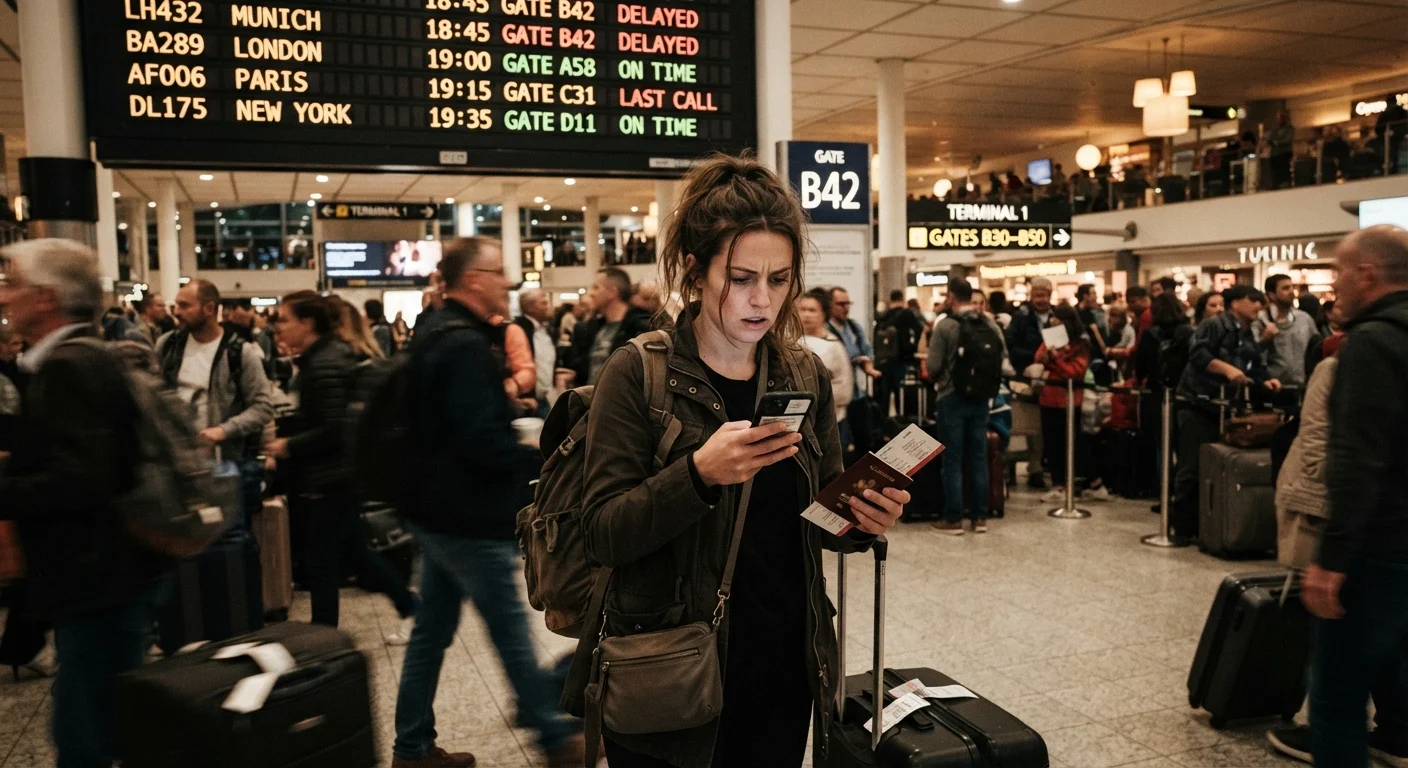
Why Good Intentions Still Produce Stressful Trips
Most travel stress doesn't come from bad luck — it comes from assumptions that felt reasonable at the time. You assumed the entry process would be simple, that your itinerary had enough buffer, or that everyone in the group was on the same page. Then reality arrives, and the gap between expectation and logistics becomes the whole trip.
The good news: nearly every assumption on this list is fixable with a bit of verification before you leave. The mistakes below are genuinely common, which means you're not the only one who's made them — and you won't be the last one to avoid them once you know what to look for.
For a broader look at beliefs that quietly distort planning, see travel myths that derail good planning.
Assuming no visa is required because "it's never been an issue before."
Why it happens: Visa policies change, and prior experience with one country doesn't transfer to another. Travelers often rely on secondhand information or outdated blog posts instead of official sources.
Expecting to check into your hotel room before the standard 3–4 p.m. check-in time.
Why it happens: Early flights mean early arrivals, and it feels natural to assume the room will be ready. Hotels rarely guarantee early check-in unless it's been arranged and paid for in advance.
Assuming a packed itinerary is achievable if you "just move efficiently."
Why it happens: Itineraries look reasonable on paper, but they don't account for transit delays, longer-than-expected queues, decision fatigue, or the simple reality that travel is slower in person than on a map.
Assuming existing health or home insurance covers international medical expenses.
Why it happens: Many domestic health plans offer limited or no coverage outside the U.S., but people rarely read the fine print until they need to file a claim abroad.
Treating the group trip budget as "roughly the same for everyone."
Why it happens: Discussing money is uncomfortable, so travelers often avoid it, defaulting to vague agreement that everyone is "flexible." Different income levels and spending habits surface at the worst possible moments.
Assuming your phone and cards will work seamlessly abroad without any setup.
Why it happens: Modern smartphones and chip cards feel universally compatible, but international roaming charges, blocked cards, and incompatible payment terminals are still common problems.
How These Assumptions Compound on the Road
One unchecked assumption rarely ruins a trip on its own. The problem is how they stack. An overstuffed itinerary meets a delayed train, which eats into the buffer you didn't build in, which causes you to miss a pre-paid reservation, which costs money you hadn't budgeted. Each mistake amplifies the next.
36%
Travelers who underestimate total trip costs
A survey by the American Express Travel found that roughly a third of travelers report spending significantly more than originally budgeted, largely due to overlooked fees and on-the-ground expenses.
1 in 4
U.S. travelers who experience a trip disruption
According to U.S. Travel Association data, a substantial share of American travelers encounter at least one significant disruption per trip, including delays, missed bookings, or unexpected costs.
Budget miscalculations are particularly sneaky. Flights and accommodation feel like the full cost because they're the largest line items — but resort fees, airport transfers, tipping customs, and currency exchange spreads add up fast. Our guide to trip costs most people forget walks through every category worth accounting for before you book.
Group dynamics add another layer. When five people assume someone else handled the restaurant reservation, or that everyone shares the same budget comfort level, the friction starts before the first meal. See how to keep a group trip from falling apart for frameworks that actually work.
Entry Requirements Can Change Without Much Notice
Visa policies, health documentation requirements, and entry rules are set by foreign governments and can shift with little public announcement. A travel blog post from even six months ago may be out of date. Always verify entry requirements directly through the official embassy or consulate of your destination country and the U.S. Department of State's travel portal before finalizing any booking.
The fix isn't obsessive over-planning — it's targeted verification on the handful of things that are genuinely high stakes. Confirm entry requirements through official government sources. Read your hotel's check-in policy. Build one or two deliberately empty hours into each day. And make sure your travel companions know the budget before you've committed to anything.
Planning a packing list with the same care helps too. Packing strategies that hold up across trip types covers approaches that reduce the mental load before you even leave the house.
The content on this site is for informational purposes only and is not a substitute for professional advice. Always consult a qualified professional for guidance specific to your situation.