

What Registration Actually Accomplishes — and Why It Matters
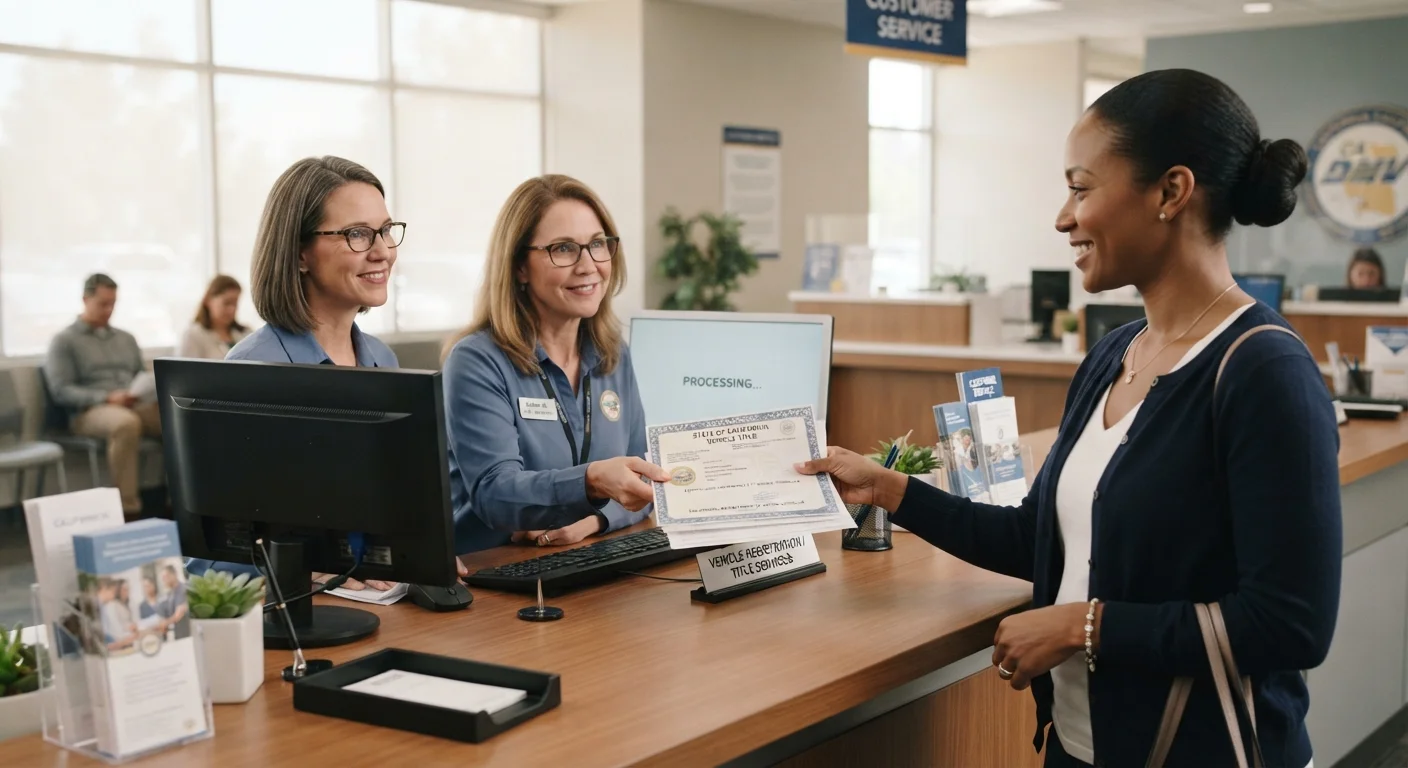
Vehicle registration is how a state formally recognizes that a specific person or entity is the legal owner of a specific vehicle currently operating on public roads. It creates a traceable link between a car and its owner, which matters for law enforcement, liability, and public safety. Without current registration, you cannot legally drive the vehicle on public roads in any U.S. state.
Registration is separate from — but connected to — the vehicle title. The title is the legal ownership document; registration is the ongoing authorization to operate that vehicle. Think of the title as proof you own the car, and registration as permission to drive it. When you buy a car, both need to be transferred or established in your name.
The costs involved go beyond a single flat fee. Expect to pay a combination of state registration fees, a title transfer fee, and sales or use tax on the purchase. These can add up to several hundred dollars depending on your state and the vehicle's value — an expense that often surprises new buyers who focused only on the sticker price. For a broader view of all the financial layers of car ownership, see our complete financial overview of car ownership.
Don't Miss Your State's Registration Deadline
Most states impose a strict window — typically 10 to 30 days after purchase — to complete vehicle registration. Driving an unregistered vehicle or missing this deadline can result in fines, late fees, or being cited during a traffic stop. Check your state's DMV website for the exact timeframe that applies to you.
What You'll Need Before You Start
Preparation is the difference between a single DMV visit and multiple frustrating trips. The exact document list varies by state, but the core requirements are consistent across most jurisdictions.
What you will need
Signed Vehicle Title
The primary legal document transferring ownership of the vehicle to you — required in every state.
Proof of Auto Insurance
Most states require you to show active liability coverage before a registration can be issued.
Bill of Sale
Documents the purchase price, which is used to calculate sales tax owed at registration.
Government-Issued ID
Required to verify your identity when submitting registration paperwork.
Odometer Disclosure Statement
Federal law requires sellers to disclose the vehicle's mileage at time of sale for most vehicles under 10 years old.
Emissions or Inspection Certificate
Required in certain states before registration can be processed — not universally needed.
Lien Release Letter
If the seller had an outstanding loan, this document proves the lender has released its claim on the title.
Check Your State DMV Website First
Requirements vary considerably from state to state. Before visiting in person, review your state's DMV or motor vehicle agency website to confirm exactly which documents are required, whether an appointment is needed, and what payment methods are accepted. This single step can save you a wasted trip.
If you purchased the vehicle through a dealership, ask at the time of sale which steps they will handle on your behalf. Many dealers process the title transfer and submit registration paperwork directly to the DMV, often rolling the fees into your closing costs. In that case, your role is largely to confirm the paperwork is accurate and wait for your plates to arrive. For private-party purchases, everything falls to you — which makes thorough preparation even more important. If you're still in the decision-making phase of acquiring a vehicle, our guide to financing, leasing, and paying cash covers how each purchase path can affect the paperwork and costs you'll face at registration.
Step-by-Step: Completing Your Vehicle Registration
Private-Sale Titles Require Extra Scrutiny
When buying from a private seller, carefully verify that the title is clean — meaning it has no liens, salvage branding, or discrepancies in the VIN. A lienholder listed on the title means the seller may not have full legal ownership to transfer. If anything looks off, consult your state's DMV or a qualified professional before completing the purchase.
Obtain and Review the Signed Title
The vehicle title is the cornerstone of the registration process. If you bought from a dealership, they will typically prepare the title paperwork — and in many cases, submit it to the DMV on your behalf. For private-party sales, the seller must sign the title over to you in the designated transfer section. Confirm the seller's name on the title matches their ID, the VIN matches the car, and there are no lienholders listed unless a lien release accompanies the title.
Gather All Required Documents
Before visiting your state's DMV or motor vehicle agency, assemble every document you'll need. This typically includes the signed title, a valid government-issued ID, proof of current auto insurance, a bill of sale showing the purchase price, and a completed odometer disclosure statement. If you paid off a loan on the vehicle, a lien release letter from the previous lender may also be required.
Complete Any Required Inspections
Certain states require a vehicle to pass an emissions inspection, a safety inspection, or both before registration is approved. Requirements depend on your state, and sometimes your county within that state. Emissions testing is more common in urban areas with air quality mandates. If your state requires this step, schedule and complete the inspection before heading to the DMV — the certificate of compliance will be part of your submission.
Calculate and Pay Sales Tax
Most states collect a sales or use tax on vehicle purchases at the time of registration. The amount is based on the purchase price documented in your bill of sale, though some states use the vehicle's assessed market value if it differs significantly from the sale price. Tax rates vary by state and sometimes by county. If you bought from a dealer, they may have collected and remitted sales tax on your behalf — confirm this before your DMV visit so you're not paying twice.
Submit Your Application and Pay Registration Fees
At the DMV, submit your completed registration application along with all supporting documents. Pay the applicable registration fee, which varies widely by state and is often calculated based on the vehicle's value, weight, or model year. You'll receive temporary registration documents to keep in the vehicle while your permanent plate and registration card are processed and mailed.
Secure Your Plates and Place Your Registration Sticker
Once your registration is processed, you'll receive license plates (if new plates are needed), a registration card to keep in the vehicle, and a renewal sticker for your plate. Affix the sticker to the designated corner of your license plate as directed. Store the registration card in the glove box — you're required to produce it during any traffic stop or law enforcement interaction.
Once registration is complete, keep your registration card in the vehicle at all times and note your renewal date. If you're buying a used car and haven't yet committed to a purchase, our pre-purchase checklist covers how to verify title status and catch potential red flags before you sign anything.
The content on this site is for informational purposes only and is not a substitute for professional advice. Always consult a qualified professional for guidance specific to your situation.