

What Fuels Aggressive Driving
Aggressive driving rarely emerges from nowhere. It typically builds from a combination of situational stressors and individual emotional states that lower a driver's ability to make calm decisions. According to research from the AAA Foundation for Traffic Safety, a significant percentage of American drivers report engaging in aggressive behaviors — such as tailgating, yelling at other drivers, or making hostile gestures — in any given year.
Common situational triggers include:
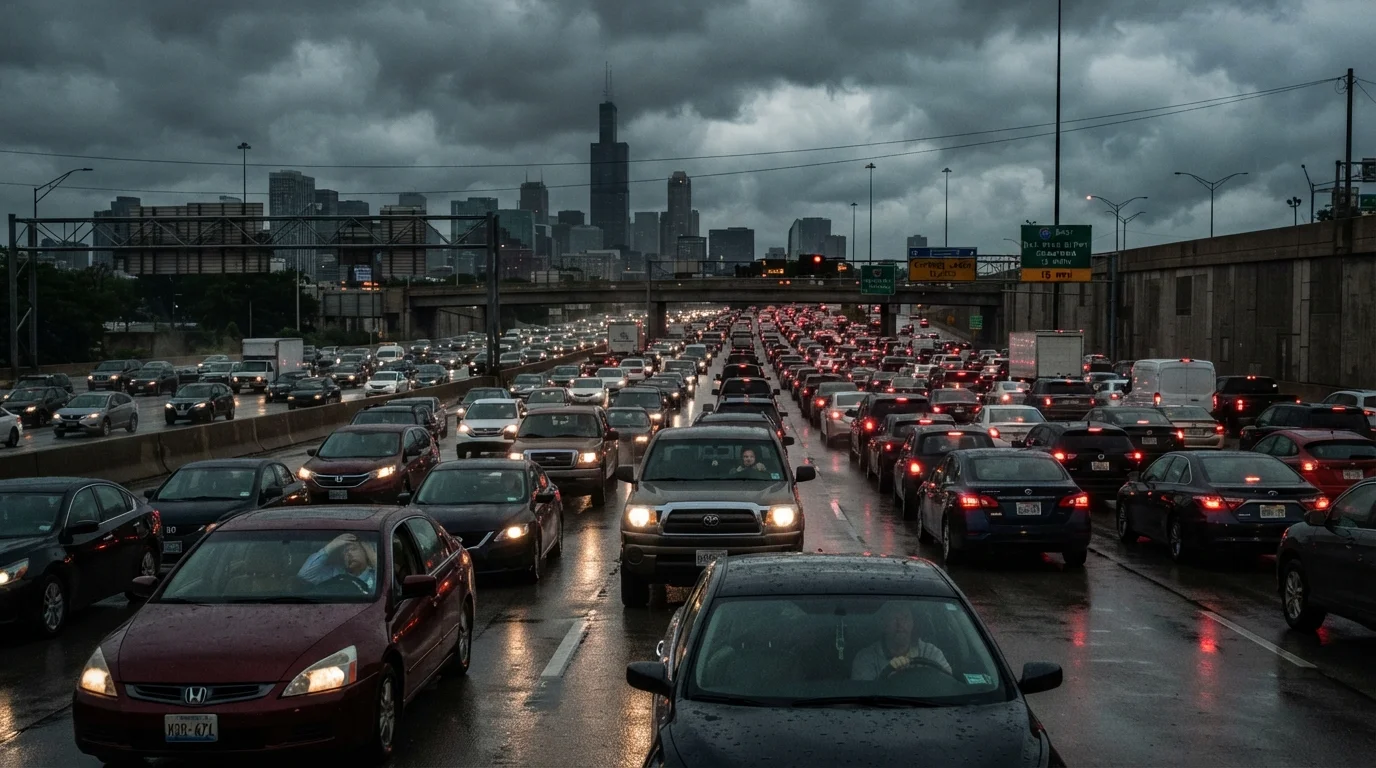
- Traffic congestion: Stop-and-go traffic creates frustration and a heightened sense of being trapped.
- Running late: Time pressure amplifies every small delay into a perceived threat.
- Perceived disrespect: A lane change without signaling or failing to wave after a courtesy can read as a deliberate slight.
- Heat and discomfort: Studies have linked higher ambient temperatures to increased aggressive behavior on the road.
Personal stressors — a difficult day at work, lack of sleep, or conflict at home — also lower the threshold for frustration behind the wheel. The car can feel like a private space, which sometimes removes the social brakes that would otherwise keep anger in check.
80%
Drivers who experienced aggressive driving
AAA Foundation for Traffic Safety survey data found roughly 8 in 10 drivers reported feeling anger, aggression, or road rage behind the wheel at least once in a given year.
~56%
Of fatal crashes linked to aggressive driving
The NHTSA has attributed a significant share of crash fatalities to aggressive driving behaviors including speeding, tailgating, and improper lane changes.
Half
Of drivers who respond to aggression with aggression
AAA research found that approximately half of drivers who are on the receiving end of aggressive behavior report responding with an aggressive act themselves.
Recognizing Aggressive Behavior in Yourself
Most drivers who engage in aggressive driving do not think of themselves as dangerous. This is part of what makes the behavior so common and difficult to address. Recognizing the early warning signs in your own reactions is essential to interrupting the pattern before it escalates.
Watch for these internal signals while driving:
- Feeling your grip tighten on the steering wheel
- Narrating other drivers' mistakes aloud with frustration
- Accelerating in response to feeling cut off, rather than braking safely
- Honking or flashing headlights to express displeasure rather than for safety
- Feeling a strong urge to "teach someone a lesson" on the road
If you notice these reactions, treat them as a cue to reduce speed slightly, increase following distance, and take slow breaths. Building in extra travel time also removes much of the pressure that leads to time-triggered anger.
Build in a Buffer Before You Drive
One of the most effective ways to reduce aggressive driving is to leave earlier than you think you need to. Time pressure is a primary trigger for frustration behind the wheel. Even 10 extra minutes can meaningfully lower the emotional stakes of normal traffic delays.
For a broader look at how situational factors change driver behavior, see our guide on highway vs. city driving safety habits, which covers how different environments affect risk and decision-making.
How to Respond When Another Driver Is Aggressive
Being on the receiving end of aggressive driving is unsettling, and the instinct to respond can feel strong. But engaging — even defensively — almost always makes the situation worse. The safest strategy is deliberate de-escalation.
Do not:
- Make eye contact with an agitated driver
- Use hand gestures, even ones you consider mild
- Accelerate to match or exceed an aggressive driver's speed
- Block or slow down in front of them to "punish" their behavior
Do:
- Increase your following distance and create space
- Change lanes to let the other driver pass
- If followed or threatened, drive to a busy public place or police station — do not go home
- Call 911 if the situation feels dangerous
This approach aligns directly with the principles of defensive driving, which focuses on anticipating hazards and reducing exposure to conflict rather than reacting in kind.
Habits That Reduce Your Risk of Triggering Conflict
Many road rage incidents are sparked by behaviors the triggering driver did not even realize were provocative. Building courteous, predictable habits behind the wheel reduces the chance of unintentionally provoking another driver.
- Signal every lane change — even when traffic is light. Unpredictability frustrates other drivers.
- Avoid lingering in the left lane on highways. Keep right except to pass, which is the law in many states.
- Acknowledge your mistakes with a brief wave. It defuses perceived hostility almost immediately.
- Give merging drivers room rather than accelerating to close gaps.
- Do not honk out of frustration — reserve the horn for genuine safety warnings.
These habits matter beyond avoiding conflict. They are also part of being a safer overall driver. Our article on driving with passengers explores how the presence of others in the vehicle — including how they respond to your driving — can affect your decisions and stress levels on the road.
Road Rage Can Have Legal Consequences
Aggressive driving behaviors such as excessive speeding and tailgating are traffic violations in all U.S. states. Road rage that involves threatening, following, or physically harming another person can result in criminal charges — including assault or reckless endangerment — regardless of what the other driver may have done to provoke the situation. If you witness a serious road rage incident, report it to local law enforcement rather than intervening yourself.
Frequently Asked Questions
Aggressive driving describes a set of risky behaviors — like tailgating, weaving, or running red lights — that violate traffic laws. Road rage is a more extreme reaction where a driver deliberately targets another person out of anger, which can constitute a criminal offense. Think of road rage as the emotional escalation of aggressive driving.
Do not make eye contact, gesture, or engage verbally. Increase your following distance, change lanes if safe, and avoid pulling over unless it is a genuine emergency. If you feel threatened, drive to a public place or police station and call 911.
Yes. Depending on the state and the actions involved, aggressive driving can result in citations, fines, license suspension, or even criminal charges. Behaviors like intentional ramming or threatening another driver with a weapon are treated as serious criminal offenses.
Research from AAA Foundation for Traffic Safety identifies running late, heavy congestion, and feeling disrespected by another driver as frequent triggers. Personal stress from outside the car — work pressure, lack of sleep — also significantly lowers a driver's tolerance threshold.
Use turn signals consistently, avoid lingering in passing lanes, and give a quick acknowledgment wave if you make an error. Small courtesies reduce the perception of deliberate disrespect, which is a major escalation factor.
Yes. Following another vehicle too closely — commonly called tailgating — is classified as aggressive driving by traffic safety authorities. Beyond being a legal violation in most states, it dramatically reduces a driver's reaction time in the event of a sudden stop.
The content on this site is for informational purposes only and is not a substitute for professional advice. Always consult a qualified professional for guidance specific to your situation.