

Start here
Choosing Where to Grow
Next
Understanding Your Soil
Then
Picking the Right Plants for Beginners
When you're ready
Watering, Feeding, and Building Good Habits
Choosing Where to Grow
Before buying a single seed or bag of soil, walk your outdoor space on a clear day and observe where sunlight falls — and for how long. Sunlight is the single variable that most directly determines what you can grow and how well it performs. Most vegetables and flowering plants thrive in full sun, meaning at least 6 hours of direct sunlight daily. Shaded spots under trees or near walls limit your options significantly.
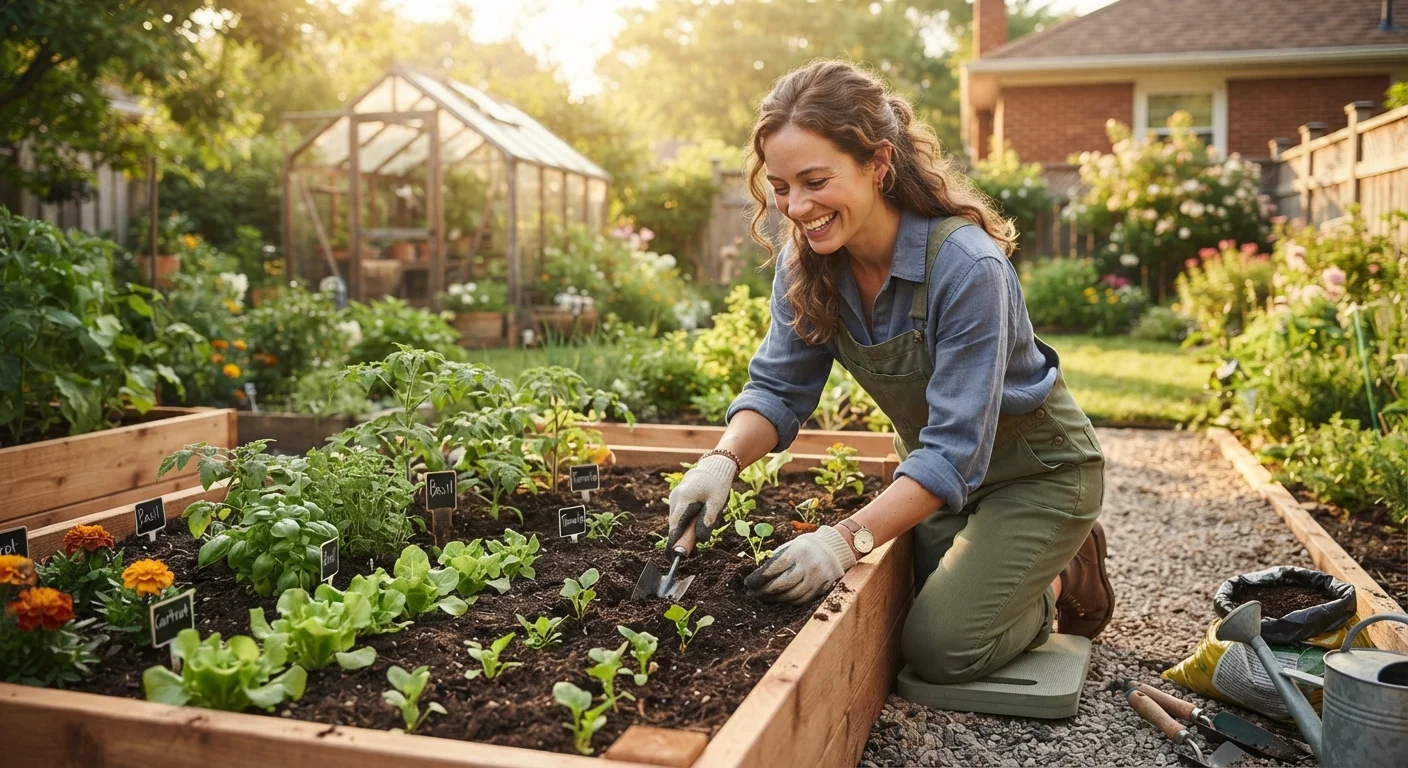
If you have a yard, a small raised bed (even 4×4 feet) in your sunniest spot is an ideal first project. If your space is limited to a balcony or patio, containers work beautifully for herbs, lettuces, and compact vegetables. Read our guide to container gardening for a practical look at what small-space growing can achieve.
Keep your first garden small on purpose. A manageable plot you tend consistently will outperform a sprawling one you can't keep up with. Starting small also means mistakes — and there will be some — cost you very little.
Full sun
A gardening term for a location that receives at least 6 hours of direct sunlight each day. Most vegetables and many flowers need full sun to grow well.
Compost
Decomposed organic material — like vegetable scraps, leaves, and grass clippings — used to enrich soil with nutrients and improve its texture.
Loam
A balanced, fertile soil type that contains a mix of sand, silt, and clay. It drains well, retains moisture, and is generally ideal for gardening.
Transplant
A young plant started from seed elsewhere (such as in a nursery) and moved into your garden. Using transplants skips the germination stage and gives beginners a head start.
Slow-release fertilizer
A type of plant food that breaks down gradually over weeks or months, providing a steady supply of nutrients rather than a single large dose.
Understanding Your Soil
Soil is not just dirt. It's a living system of minerals, organic matter, water, air, and microorganisms that either supports or undermines everything you plant. Before planting, it helps to understand what type of soil you're working with.
Squeeze a handful of moist soil. If it holds its shape and feels slick, you likely have clay soil — dense, slow to drain, but nutrient-rich. If it crumbles immediately and feels gritty, it's sandy soil — fast-draining but low in nutrients. Ideal garden soil — often called loam — holds its shape briefly, then breaks apart easily.
Regardless of your starting point, adding compost (decomposed organic matter) improves nearly every soil type. It loosens clay, helps sandy soil retain moisture, and feeds soil microbes that make nutrients available to plant roots. Work 2–3 inches of compost into the top layer of your bed before planting. You can purchase bagged compost or start a simple compost pile with kitchen scraps and yard waste.
Start a Simple Compost Habit Early
You don't need a special bin to compost. A designated corner of your yard where you layer vegetable scraps, fallen leaves, and grass clippings will break down into usable compost over several months. Starting the habit now means you'll have free, high-quality soil amendment ready for your next planting season.
Picking the Right Plants for Beginners
Choosing plants that match your conditions and skill level is what separates a frustrating first season from a rewarding one. Forget the most exciting varieties for now — reliability and quick results build the confidence and skills you'll need to grow anything.
- Herbs: Basil, chives, parsley, and mint establish easily and reward regular harvesting. Mint spreads aggressively — grow it in its own container.
- Leafy greens: Lettuce, spinach, and arugula germinate fast, tolerate partial shade, and can be harvested within weeks of planting.
- Zucchini and green beans: Both are productive, low-fuss, and forgiving of minor mistakes — great for building harvest confidence.
- Marigolds and nasturtiums: Easy-to-grow flowers that attract beneficial insects and add color without much effort.
Be cautious about advice that seems too absolute — gardening is full of myths worth questioning. Our companion article Garden Myths That Keep New Growers Stuck addresses common misconceptions that trip up beginners.
Watering, Feeding, and Building Good Habits
Consistent, attentive care is what separates thriving gardens from struggling ones — and most of it takes only minutes per day. The two most common beginner errors are overwatering and inconsistent attention. Learning to read your plants is the most valuable skill you can develop.
Check soil moisture before reaching for the watering can. Push your finger an inch into the soil near the plant's base: if it feels dry, water thoroughly until moisture reaches the root zone. If it still feels damp, wait. Most established garden plants prefer deep, infrequent watering over frequent shallow sprinkles, which encourages roots to stay near the surface.
For feeding, a balanced, slow-release fertilizer worked into the soil at planting time provides steady nutrition through the growing season. Container plants need more frequent feeding because nutrients leach out with each watering — a liquid fertilizer every two to three weeks is a common approach.
Spend a few minutes in your garden daily, even just to observe. Yellowing leaves, wilting, or unusual spots are early signals that something needs attention. Catching problems early — before they escalate — is a habit that experienced gardeners rely on. For a closer look at why early weeks can be risky, see why plants die in the first few weeks.
Frequently Asked Questions
Most vegetables require at least 6 hours of direct sunlight per day — this is called "full sun." Some leafy greens like lettuce and spinach can tolerate partial shade (3–4 hours). Before planting, observe your space at different times of day to understand its true sun exposure.
Radishes, lettuce, zucchini, and green beans are widely considered beginner-friendly because they germinate quickly, tolerate minor care mistakes, and produce results fast. Herbs like basil, chives, and mint are also excellent starting points and highly rewarding.
Not at all. A balcony, patio, or even a sunny windowsill can support a productive container garden. Our <a href="/home-garden/gardening-basics/container-gardening-growing-plants-when-space-is-limited">container gardening guide</a> walks through practical options for growing in small spaces.
New seedlings and transplants typically need consistent moisture — often every 1–2 days in warm weather — but the goal is moist soil, not soggy soil. Check the top inch of soil before watering; if it feels dry, it's time to water. Overwatering is one of the most common beginner mistakes.
A hand trowel, gardening gloves, a watering can or hose with a gentle spray nozzle, and a hand fork for loosening soil are the genuine essentials. You can expand your toolkit as your garden grows.
Transplants (young plants purchased from a nursery) are easier and more forgiving for beginners because the fragile early germination stage is already done. Seeds are more economical and offer more variety, but they require more patience and consistent conditions to succeed.
The content on this site is for informational purposes only and is not a substitute for professional advice. Always consult a qualified professional for guidance specific to your situation.