

Start here
What an Emergency Fund Actually Is
Next
How Much You Should Save
Then
Where to Keep Your Emergency Fund
When you're ready
How to Build One When Money Is Tight
Finally
When to Use It — and When Not To
What an Emergency Fund Actually Is
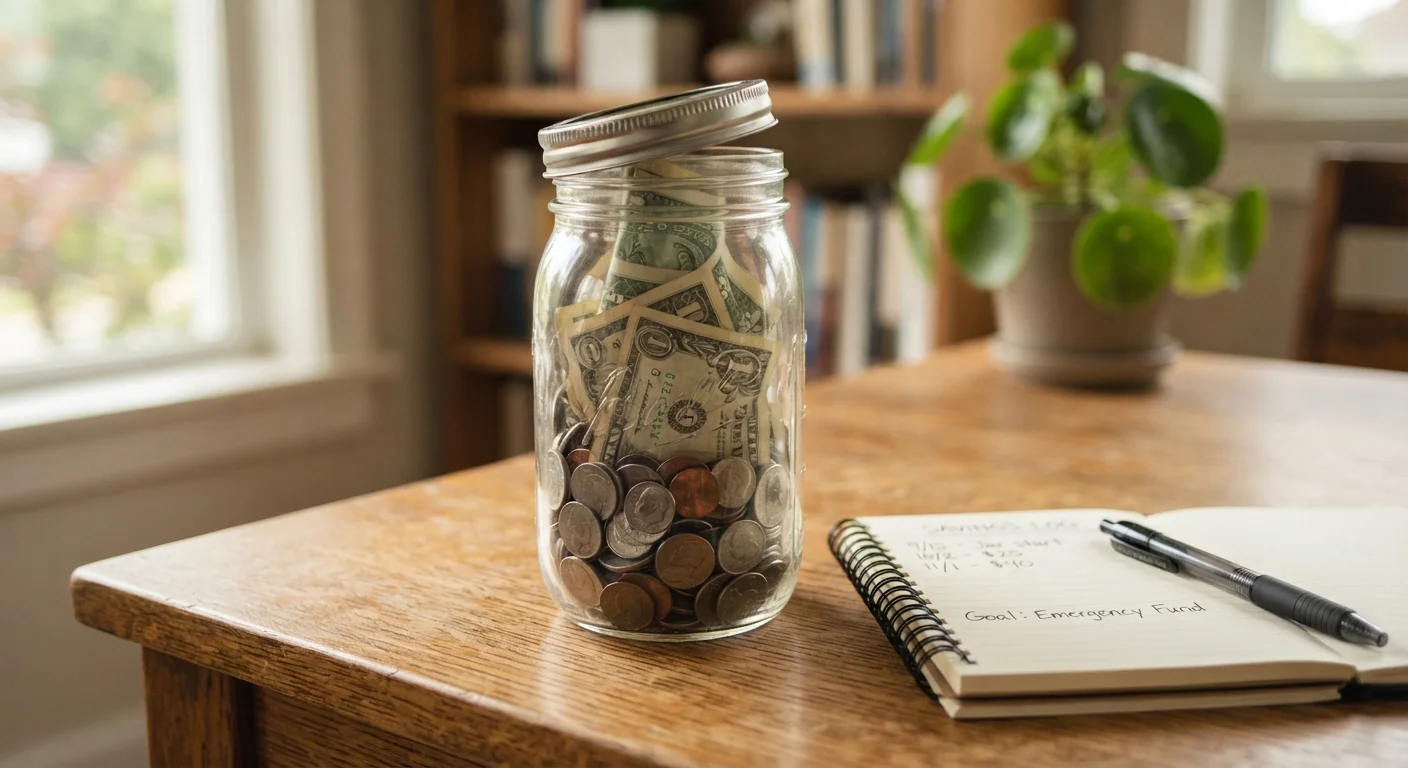
An emergency fund is a dedicated pool of cash set aside exclusively for unexpected financial shocks. Think job loss, a burst pipe, an ER visit, or a transmission failure — events that demand immediate money and weren't on your calendar.
It is not a general savings account, a vacation fund, or a backup for overspending. That distinction matters because blurring the lines erodes the fund's purpose. Once you start treating it as a rainy-day slush fund for non-emergencies, it won't be there when a real crisis hits.
An emergency fund sits at the foundation of a sound financial plan. Before tackling investing, paying down debt aggressively, or any other money goal, having at least a basic cash buffer changes your relationship with risk. It means an unexpected expense becomes an inconvenience rather than a financial catastrophe. See how emergency savings fit alongside other essential spending priorities in the budget categories every household should account for.
Emergency fund
A dedicated cash reserve set aside only for unexpected, necessary financial events — not for planned purchases or routine expenses.
Essential living expenses
The non-negotiable monthly costs required to keep your household running: rent or mortgage, utilities, groceries, insurance, and minimum debt payments.
Liquid savings
Money that can be accessed quickly — within a day or two — without penalties or selling investments. Cash in a savings account is liquid; money in a CD or stock portfolio is not.
FDIC insurance
A federal program that protects deposits at insured banks up to $250,000 per depositor, per institution. It means your savings won't disappear if the bank fails.
Sinking fund
A separate savings bucket for predictable irregular expenses you know are coming — like annual car registration or holiday spending — so they don't surprise your budget.
High-yield savings account
A savings account, often offered by online banks, that pays a higher interest rate than a standard savings account while keeping your money safe and accessible.
How Much You Should Save
The widely cited guideline is three to six months of essential living expenses. Essential means the non-negotiable bills — rent or mortgage, utilities, groceries, insurance, minimum debt payments, and transportation to work. Not your full take-home pay, and not your full spending including restaurants and streaming subscriptions.
Where you fall in that range depends on your situation:
- Three months may be adequate if you have a stable salaried job, dual household income, and no dependents.
- Six months or more makes sense for freelancers, commission-based workers, single-income households, or anyone in a field where re-employment takes time.
If building up several months of expenses feels out of reach right now, start smaller. A $1,000 starter fund is a common first milestone — it handles most common emergencies without requiring months of aggressive saving before you see progress.
Calculate Your Target Using Essentials Only
Add up only your must-pay monthly bills — rent, utilities, groceries, insurance, minimum debt payments, and transportation — then multiply by three to six. This gives you a realistic savings target grounded in what you actually need to survive a financial disruption, rather than an inflated number based on your full lifestyle spending.
Where to Keep Your Emergency Fund
Your emergency fund needs to meet two criteria: it has to be safe and accessible within a day or two. That rules out investments, certificates of deposit with penalties for early withdrawal, and cash stuffed in a drawer.
The most practical options are:
- High-yield savings account (HYSA): Offered by many online banks, these pay meaningfully more interest than traditional savings accounts while keeping your money FDIC-insured and reachable quickly.
- Money market account: Similar to a HYSA, typically with check-writing or debit access. Also generally FDIC-insured up to applicable limits.
- Traditional savings account: Lower interest, but a valid option if you already have one at your main bank and value simplicity.
One practical tip: keep the emergency fund at a different institution than your everyday checking account. A small friction barrier — waiting a day for a transfer — is enough to discourage impulsive withdrawals while still giving you access in a real crisis.
For planned irregular costs like a car registration or annual insurance bill, a separate sinking fund is a smarter tool than dipping into your emergency reserve.
How to Build One When Money Is Tight
The most common reason people don't have an emergency fund isn't laziness — it's that money is already stretched thin. The approach here is consistency over size.
- Set a small automatic transfer. Even $25 or $50 per paycheck, moved automatically to a separate savings account on payday, builds a balance over time without requiring willpower each month.
- Use windfalls deliberately. Tax refunds, work bonuses, or birthday money can jump-start your fund without touching your regular budget.
- Find one small, repeatable cut. A single recurring expense you rarely use — a subscription, a habit — redirected to savings adds up faster than most people expect.
If you're working on a formal spending plan, resources like the Budgeting Basics hub can help you find room in your budget without guesswork. You might also explore frameworks like zero-based budgeting or the envelope method to get clearer on where your money actually goes each month.
Progress is progress. A fund of $800 is infinitely more useful than one you haven't started yet.
When to Use It — and When Not To
Use your emergency fund when something is unexpected, necessary, and urgent. Examples:
- You lose your job and need to cover rent while job searching
- Your car breaks down and you need it to get to work
- A medical expense arrives that insurance doesn't fully cover
- A home repair becomes a safety or habitability issue
Do not use it for:
- Holiday gifts or travel (plan ahead with a sinking fund or budget category)
- Non-urgent wants
- Covering regular monthly shortfalls caused by overspending
When you do use it, replenishing the fund becomes a priority once the immediate crisis passes. Treat rebuilding it the same way you treated building it — automate what you can and stay consistent.
This article provides general financial information for educational purposes and is not personalized financial advice. Consider speaking with a qualified financial professional about decisions specific to your situation.
Frequently Asked Questions
True emergencies are unexpected, necessary expenses — job loss, a medical bill, urgent car or home repairs needed for safety. Planned costs, holidays, or discretionary purchases don't qualify. Drawing a clear line helps you preserve the fund for when you genuinely need it.
Three months is a reasonable starting target for someone with stable employment and no dependents. People with variable income, a single household earner, or specialized jobs that take longer to replace should aim for six months or more. Your personal situation drives the right number.
A small starter fund — often cited as $1,000 — is worth building before aggressively paying down debt. Without any cushion, one unexpected expense can push you further into debt. Once you have that buffer, many people focus on high-interest debt before fully funding the emergency reserve.
Emergency money should not be invested in stocks or volatile assets, because market downturns could reduce its value precisely when you need it most. A high-yield savings account or money market account offers better returns than a regular checking account while keeping your money safe and accessible.
No — using it means the fund did its job. After the emergency is resolved, redirect money back toward rebuilding the balance as quickly as your budget allows. Treat replenishment as a priority, not an afterthought.
An emergency fund covers true unknowns — you can't predict when or if they'll happen. A sinking fund is for predictable irregular costs like annual insurance premiums or a planned car repair. Keeping them separate prevents you from raiding emergency savings for expenses you could have anticipated.
The content on this site is for informational purposes only and is not a substitute for professional advice. Always consult a qualified professional for guidance specific to your situation.