

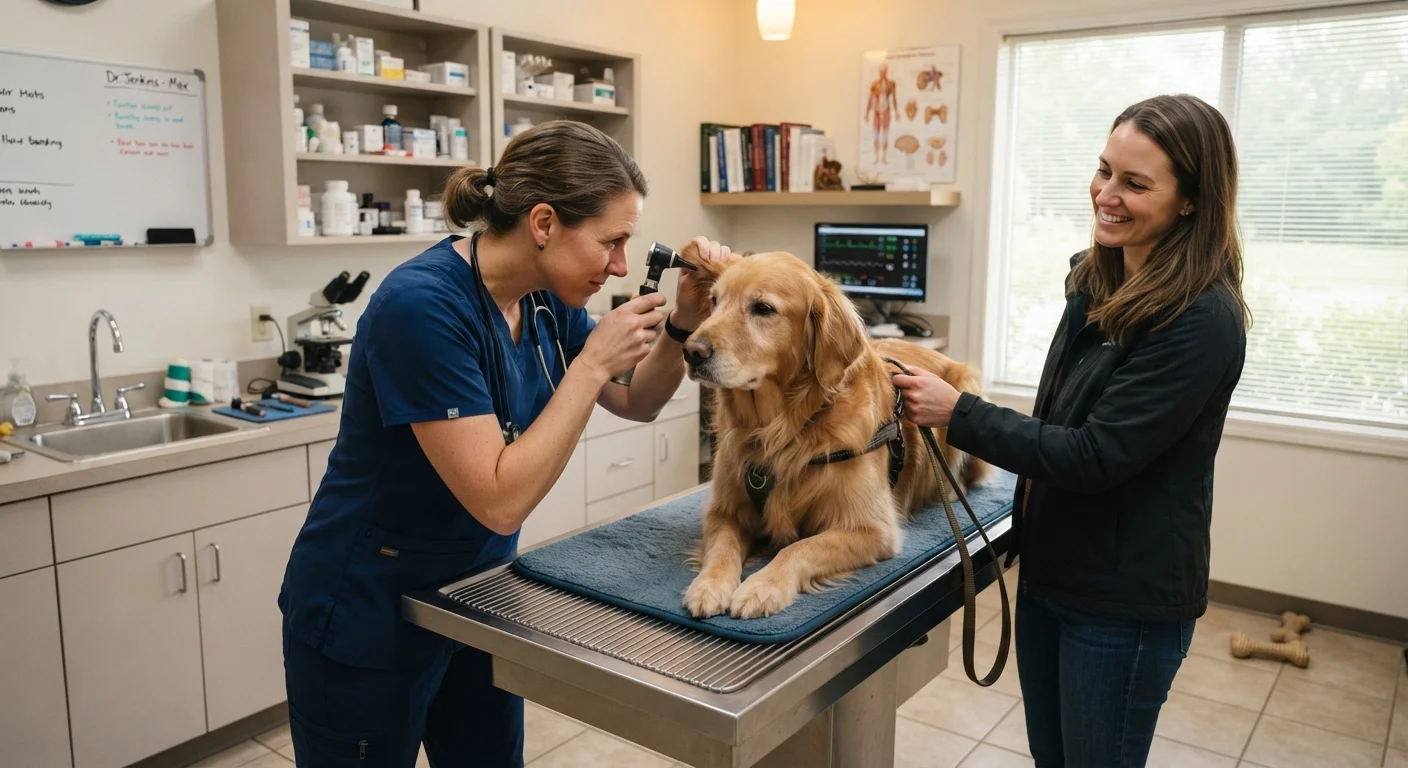
Why Annual Visits Deserve More Than a Quick In-and-Out
For many dog owners, the annual vet visit feels routine — vaccines updated, flea prevention refilled, done. But a once-a-year appointment is one of the most valuable opportunities in your dog's care calendar, and it's easy to walk out having covered only a fraction of what matters. Veterinarians typically have limited time per appointment, which means the questions owners don't ask often don't get answered.
Understanding what tends to fall through the cracks — and why — helps you get significantly more out of every visit. The mistakes below aren't signs of bad ownership; they're common patterns that even attentive owners fall into.
Skipping the dental conversation entirely.
Why it happens: Owners assume the vet will flag dental problems without prompting, or they underestimate how quickly oral disease progresses.
Not reporting behavioral changes because they seem unrelated to physical health.
Why it happens: Many owners categorize behavior as a training issue rather than a medical one, so they don't think to mention it at a vet visit.
Assuming bloodwork is automatically included in a routine checkup.
Why it happens: Owners often don't realize that baseline bloodwork — checking organ function, blood cell counts, and metabolic markers — is typically an add-on, not a default.
Ignoring weight trends until they become obvious.
Why it happens: Gradual weight gain or loss is easy to miss at home, and owners may not think to ask how their dog's weight compares to previous visits.
Not reviewing parasite prevention to confirm it still fits the dog's lifestyle.
Why it happens: Once a prevention routine is established, owners tend to auto-refill without reassessing whether it still matches their dog's current exposure risk.
Leaving without asking about reproductive health considerations.
Why it happens: Owners of already-spayed or neutered dogs may assume there's nothing more to discuss, while owners of intact dogs often feel uncertain how to raise the topic.
Making the Most of the Appointment Before You Arrive
Preparation is the single most effective way to close the gaps outlined above. Before each annual visit, spend a few minutes noting any changes in your dog's appetite, energy, bathroom habits, or behavior — even ones that seem minor. Write them down. Vets consistently report that owners often remember important details only after leaving the exam room.
Don't Wait a Full Year If Something Seems Off
Annual visits establish baselines, but they aren't a substitute for timely care. If your dog shows changes in appetite, unusual lethargy, limping, or any symptom that concerns you, contact your veterinary clinic rather than waiting for the next scheduled appointment. Early intervention often leads to better outcomes and simpler treatment.
It's also worth asking your vet proactively whether any age-appropriate screenings — such as thyroid panels, urinalysis, or blood pressure checks — are due. As dogs enter their senior years (generally around age 7, though this varies by size), the frequency and depth of screenings typically increases. For a parallel look at how thoroughness applies to feline care, see our guide on what each cat vet appointment should cover.
Dental health is worth a specific conversation. Periodontal disease is among the most common conditions seen in adult dogs, yet it often goes unexamined unless the owner raises it. Our companion article on dog dental care covers what to discuss and how to build a home care routine that supports what the vet does in-clinic.
Finally, think of the annual visit as a relationship-building moment. A vet who understands your dog's baseline — weight history, temperament, lifestyle — is far better equipped to catch subtle changes early. That kind of continuity pays off most when something does go wrong.
The content on this site is for informational purposes only and is not a substitute for professional advice. Always consult a qualified professional for guidance specific to your situation.