

Summary
22 items · 20–35 minutes
Why Routine Exams Matter More Than Most Owners Realize
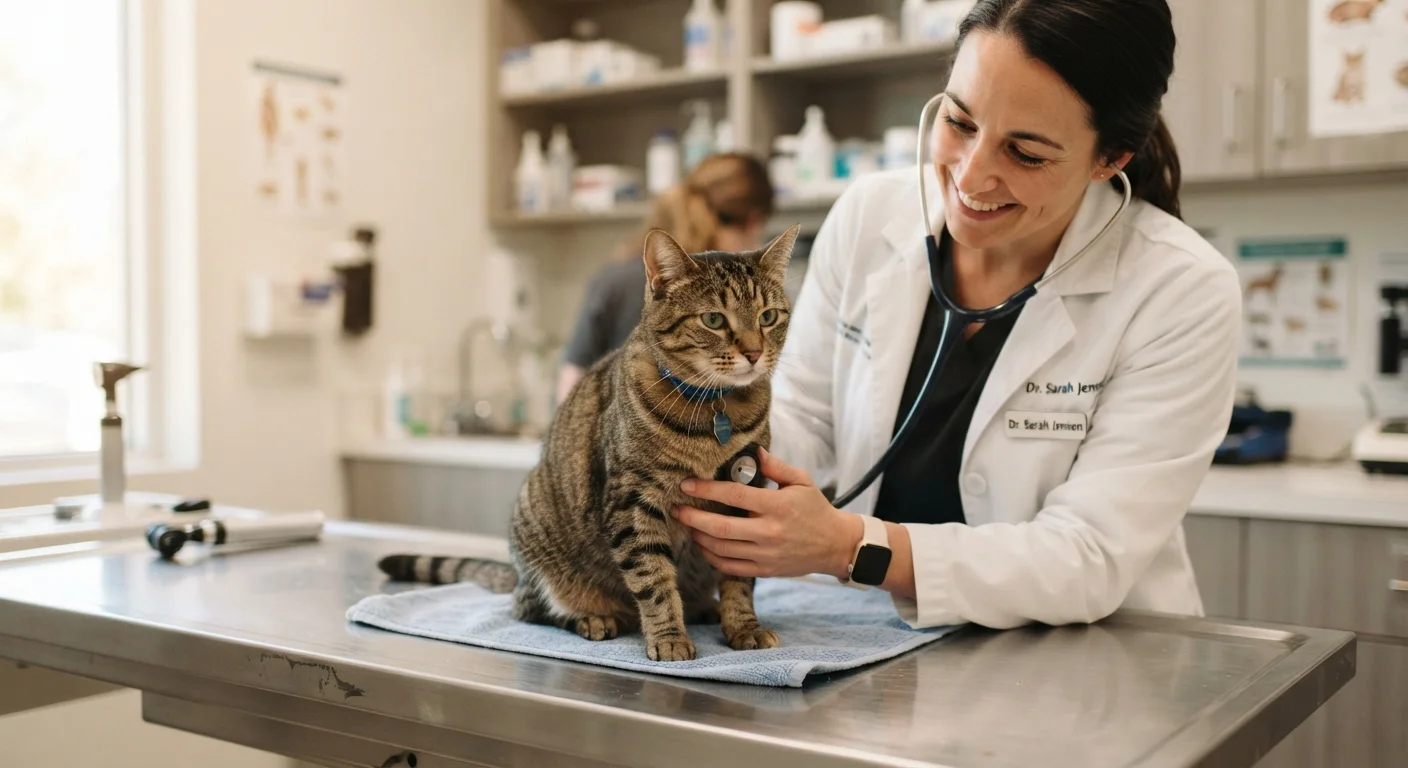
Cats are famously skilled at masking discomfort. By the time a health problem becomes visible to an owner, it may have been developing quietly for months. That's the core reason routine veterinary exams are so valuable — they give a trained clinician the chance to detect changes before symptoms become serious.
For healthy adult cats, most veterinarians recommend a comprehensive wellness exam once a year. Cats over the age of seven — generally considered middle-aged — often benefit from visits every six months. Senior cats have different monitoring needs that warrant closer attention and more frequent baseline measurements.
Think of the annual exam as a full-body audit rather than a shot appointment. Vaccinations may be part of the visit, but the physical examination, parasite screening, dental assessment, and weight tracking are equally important parts of the picture. Knowing what each appointment should cover — and what questions are worth raising — makes you a more effective advocate for your cat.
Don't Skip the Exam Between Illnesses
Many owners only bring their cat in when something is visibly wrong. Because cats hide pain and illness naturally, waiting for obvious symptoms often means a condition is already advanced. Routine exams catch problems — like early kidney disease, dental disease, or weight changes — when intervention options are broadest.
What to Bring and Do Before the Appointment
A little preparation before the visit makes the exam more productive for both you and your veterinarian. Gather any records of changes you've noticed at home — shifts in appetite, litter box habits, activity level, or grooming behavior. These observations, however small they seem, can be clinically meaningful. If your cat is on any medications or supplements, bring that information as well.
Written health notes or a symptom log
Documenting behavioral or physical changes at home gives the vet accurate, time-stamped context that supports better clinical decisions.
Carrier with a familiar blanket or item
A stress-reduced transport experience helps cats arrive calmer, which can affect heart rate and behavioral readings during the exam.
Fresh fecal sample (collected within 12–24 hours)
Many clinics request a stool sample to screen for intestinal parasites at wellness visits — check with your vet beforehand.
List of current medications or supplements
Accurate medication and supplement information helps the vet identify interactions and make safe preventive care recommendations.
Vaccination and medical records
Prior records allow the vet to track trends in weight, bloodwork values, and vaccination history over time.
What the Physical Exam Should Include
A complete wellness exam is a systematic head-to-tail assessment. Your vet should check each of the following, and you should feel comfortable asking about any area that gets less attention than expected. Dental health is one area that's frequently underdiscussed — regular at-home grooming and dental care can complement what the vet does in the clinic, but professional evaluation of the mouth matters too.
Head and Sensory Organs
Body Condition and Coat
Internal Systems
Preventive Screenings
Questions Worth Asking at Every Visit
The exam itself is only part of the appointment's value. Routine visits are also a structured opportunity to raise concerns and get guidance on preventive care. Many owners leave without asking questions they had in mind, so consider writing them down beforehand.
Topics that often go undiscussed include parasite prevention (including heartworm, which is increasingly recognized as a risk for indoor cats), nutrition and weight management, and the frequency of future monitoring. If your cat hasn't been spayed or neutered, the vet visit is a good time to discuss the health implications. You might also check out what cats actually need in their diet to come prepared with nutrition questions.
Don't Wait If Something Feels Off
A routine annual exam is not a substitute for an urgent visit when your cat shows sudden changes in behavior, appetite, breathing, litter box use, or mobility. If something seems wrong between scheduled visits, contact your veterinarian promptly. Early intervention consistently leads to better outcomes in cats.
For owners with multiple cats, keep in mind that stress in multi-cat households can affect individual cats differently — mentioning your home setup helps the vet interpret behavioral or physical symptoms accurately.
This article is for general informational and educational purposes only and is not a substitute for professional veterinary advice. Always consult a licensed veterinarian for guidance specific to your cat's health and care needs.
The content on this site is for informational purposes only and is not a substitute for professional advice. Always consult a qualified professional for guidance specific to your situation.