

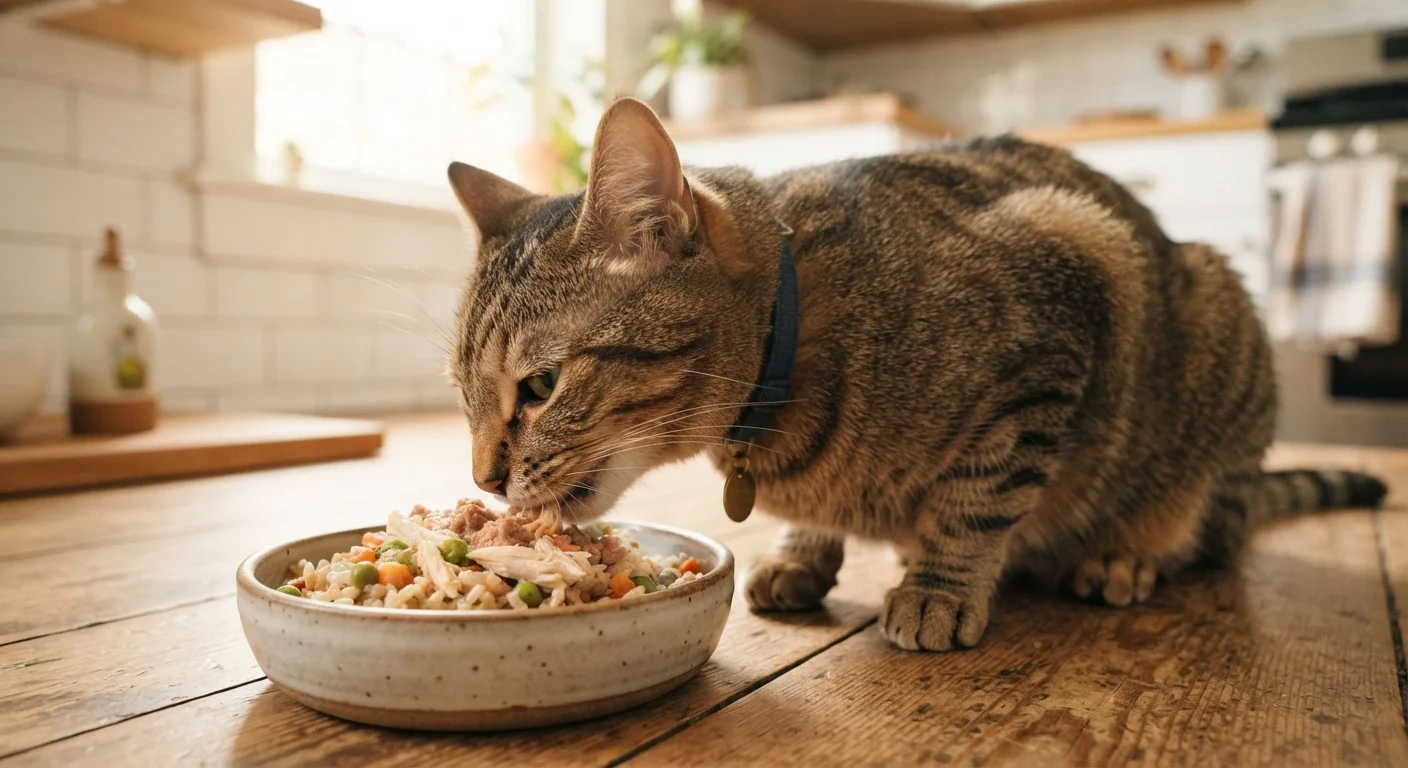
Cats Are Obligate Carnivores — And That Changes Everything
Unlike dogs or humans, cats are obligate carnivores — a classification that means animal tissue isn't just preferred, it's biologically required. Their digestive systems, metabolic pathways, and organ function all evolved around a diet of prey. This shapes virtually every nutritional decision you'll make as a cat owner.
Cats cannot synthesize certain nutrients that other mammals produce on their own. Taurine, an amino acid essential for heart function and vision, must come directly from their diet. Arachidonic acid, a fatty acid, is another nutrient cats cannot manufacture internally and must obtain from animal sources. A diet lacking these — even briefly — can lead to serious health consequences.
Plant-based or heavily grain-forward diets present real risks for cats because they may fall short of these critical animal-derived nutrients. This doesn't mean carbohydrates are toxic, but they play a very limited role in feline health compared to protein and fat. For a broader look at how life circumstances influence what a cat needs nutritionally, see our article on indoor vs. outdoor cats.
The Core Nutrients Your Cat Needs
A complete and balanced cat diet revolves around several key nutrient categories, each serving a distinct physiological role.
Protein
Protein is the cornerstone of feline nutrition. Cats use protein not just for muscle maintenance but also as a primary energy source. Veterinary nutritionists generally consider animal-sourced proteins — such as those from poultry, fish, and red meat — to be more bioavailable for cats than plant proteins. Look for a named protein source (like chicken or salmon) listed as a primary ingredient on any food label.
Fat
Dietary fat supplies concentrated energy and delivers fat-soluble vitamins (A, D, E, and K). It also carries essential fatty acids like arachidonic acid and omega-3s, which support skin, coat, and inflammatory response. Fat should make up a meaningful portion of a cat's daily calories — low-fat diets are not inherently healthier for cats the way they sometimes are marketed for humans.
Vitamins and Minerals
Cats require specific vitamins and minerals in precise amounts. Vitamin A must come preformed from animal tissue — cats cannot convert beta-carotene from plants the way humans do. Calcium and phosphorus ratios matter for bone and kidney health. Deficiencies or excesses of minerals like magnesium have been linked to urinary tract issues in some cats. For a general overview of how micronutrients function in mammals, see our micronutrients reference guide.
Hydration: The Nutrient Most Cat Owners Overlook
Water is a nutrient, and cats have a notoriously low thirst drive. In the wild, cats obtained most of their moisture from prey — which is roughly 70% water. Dry kibble, by contrast, typically contains only 8–10% moisture. This mismatch can contribute to chronic low-grade dehydration and increase the risk of urinary tract and kidney problems over time.
Encouraging adequate water intake is one of the most impactful things an owner can do for a cat's long-term health. Fresh water should always be available, and many cats prefer moving water — a pet fountain can help. Incorporating wet food into the diet is another reliable strategy to boost moisture intake. Our comparison of wet food vs. dry food for cats explores these differences in depth.
Signs of inadequate hydration include lethargy, dry or tacky gums, and reduced urination. If you notice these signs, consult your veterinarian — do not attempt to diagnose or treat dehydration at home.
This article is for general informational purposes only and does not constitute veterinary advice. Always consult a licensed veterinarian for guidance specific to your cat's health and dietary needs.
The content on this site is for informational purposes only and is not a substitute for professional advice. Always consult a qualified professional for guidance specific to your situation.