

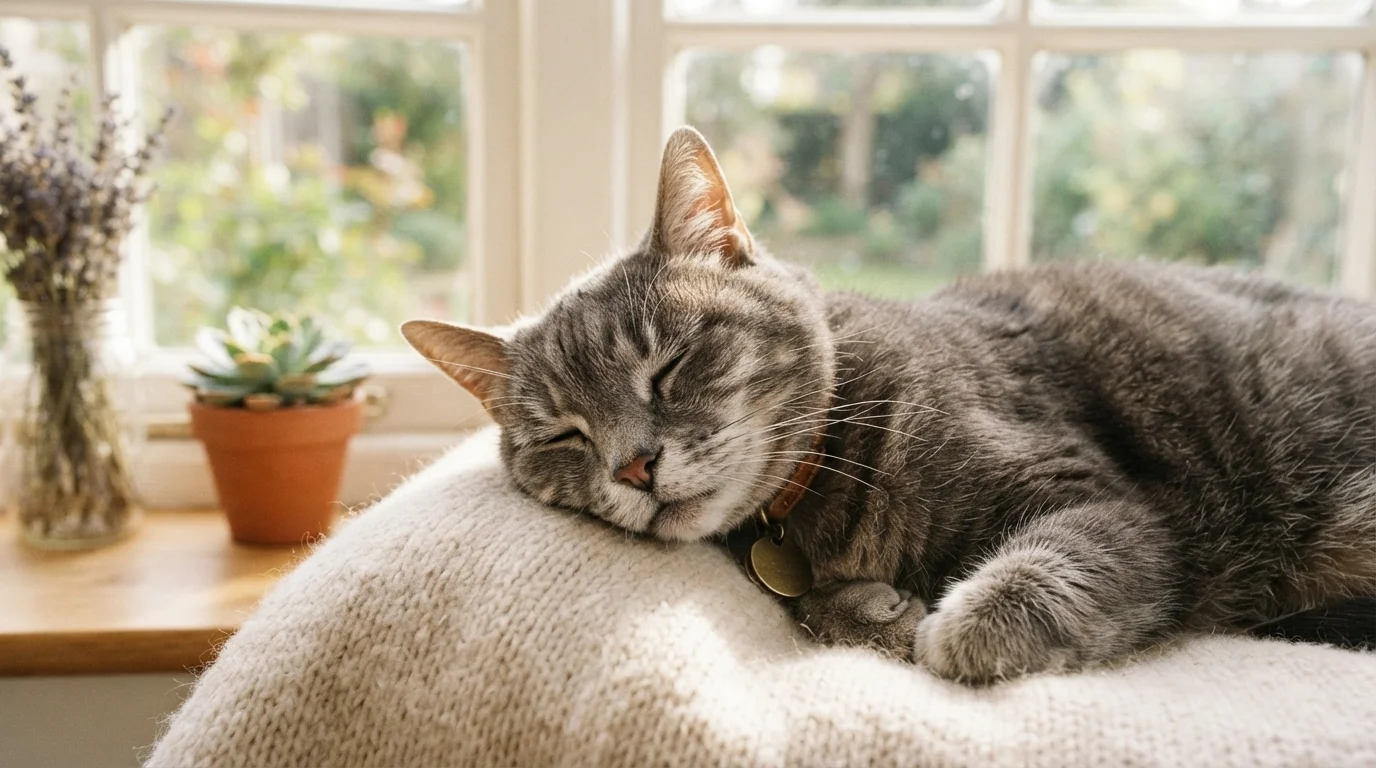
What 'Senior' Actually Means for a Cat
Veterinarians commonly classify cats as senior starting around age 10 and geriatric at 15 or older — though individual cats age at different rates depending on genetics, health history, and lifestyle. A 10-year-old indoor cat who has received consistent veterinary care may be in excellent health, while another cat the same age could already be managing chronic conditions.
Understanding where your cat falls on this spectrum matters because the care adjustments that help a 12-year-old cat thrive are meaningfully different from what a 5-year-old needs. Age alone doesn't trigger a checklist, but it does signal that more attentive observation — and more proactive vet involvement — becomes genuinely worthwhile.
For reference, most veterinary organizations use a rough equivalence: a 10-year-old cat is broadly comparable to a human in their mid-to-late 50s. By 15, that comparison reaches the mid-70s. That framing helps owners appreciate why stamina, digestion, kidney function, and joint health all deserve closer attention as the years accumulate.
Nutrition Shifts in Older Cats
Feeding a senior cat well requires understanding how aging changes the digestive system. Older cats can become less efficient at absorbing protein and fat, which means the quality of what they eat matters more than it did at age 3. A diet built on highly digestible, animal-based protein supports muscle maintenance — a genuine concern, since muscle loss (called sarcopenia) is common in aging cats.
Hydration also becomes more critical. Older cats are at higher risk for kidney disease, and keeping fluid intake up supports kidney function. Many veterinarians suggest wet food plays a useful role here, since it delivers moisture alongside nutrition. See how wet and dry food compare nutritionally if you're weighing options for your cat's diet.
Calorie needs can go in either direction. Some senior cats become less active and gain weight; others lose weight despite eating normally — which can signal an underlying condition. If your cat's weight is shifting noticeably, that's a conversation for your veterinarian, not just a food swap. For a solid grounding in feline dietary fundamentals, feline nutrition basics covers what cats genuinely need at any life stage.
When transitioning an older cat to a new food, go slowly — mix the new food in over 10 to 14 days rather than the standard week. Senior digestive systems tolerate abrupt changes less well than younger cats' do.
Gradual dietary transitions reduce the risk of gastrointestinal upset, which older cats can find harder to recover from quickly.
Keep a simple monthly log noting your senior cat's weight (use a kitchen scale), litter box habits, and any behavioral changes. Bringing this to vet appointments gives your veterinarian a clearer picture than memory alone.
Objective tracking over time makes subtle but meaningful changes — like a half-pound weight loss over three months — far easier to detect and discuss with a vet.
Mobility, Comfort, and the Aging Body
Arthritis is more common in older cats than many owners realize — and cats are skilled at hiding discomfort. Signs worth noticing include reluctance to jump onto furniture they used to love, stiffness after resting, or subtle changes in gait. A cat who suddenly stops using a tall litter box may be communicating joint pain rather than behavioral stubbornness.
Practical adjustments make a real difference. Providing steps or ramps to favorite resting spots, switching to a litter box with a low entry point, and adding soft bedding in warm spots around the home are low-effort changes that meaningfully improve daily comfort. Placing food, water, and the litter box on the same floor reduces the physical demand of navigating stairs multiple times a day.
Grooming ability also declines with age. Cats who were once fastidious self-groomers may develop mats, especially along the spine and behind the legs. Gentle brushing a few times a week keeps the coat healthy and gives you a regular opportunity to check the skin and feel for any new lumps or changes.
Don't Dismiss Sudden Behavior Changes
Increased yowling, new litter box accidents, or a sudden drop in grooming in a senior cat are not simply 'getting old.' These changes can indicate pain, cognitive decline, hyperthyroidism, or other treatable conditions. Contact your veterinarian rather than waiting to see if the behavior resolves on its own.
Health Monitoring: What to Watch For
Older cats are more susceptible to a cluster of conditions that benefit from early detection: kidney disease, hyperthyroidism, diabetes, dental disease, and hypertension are among the most common. The challenge is that many of these conditions develop gradually and their early signs — increased thirst, subtle weight loss, changes in vocalization or activity — are easy to attribute to normal aging.
Building a habit of regular observation helps. A monthly informal check at home — noting your cat's weight trend, litter box output, appetite, and coat condition — gives you a baseline so changes are easier to spot. Sudden shifts in any of these areas are worth reporting to your vet promptly rather than waiting for the next scheduled visit.
Dental health is frequently overlooked. Periodontal disease is prevalent in older cats and can cause significant pain that owners never directly see. A cat eating more slowly or dropping food may be experiencing mouth discomfort. Your vet can assess this during routine exams.
Mental Stimulation and Emotional Wellbeing
Physical slowdown doesn't mean a senior cat stops needing mental engagement. Cognitive changes — sometimes called feline cognitive dysfunction — can develop in older cats, presenting as disorientation, changes in sleep patterns, or increased vocalization at night. Keeping the brain active with gentle enrichment helps support cognitive health.
This doesn't require elaborate setups. Puzzle feeders, window perches with outdoor views, and short interactive play sessions with low-impact toys all provide stimulation without demanding physical exertion the cat may no longer have. Consistency in routine also matters — senior cats often find predictability genuinely comforting as their sensory abilities shift. For ideas tailored to cats living alone, enrichment strategies for solo cats offers practical starting points.
If your household includes multiple cats, be aware that a senior cat's changing energy and behavior can affect group dynamics. managing resources and territory in multi-cat homes covers how to keep arrangements fair as individual cats' needs evolve.
Vet Care for Senior Cats
Most veterinary guidelines recommend that cats over 10 be seen twice a year rather than annually. The reasoning is straightforward: a year is a long time in a senior cat's life, and conditions like kidney disease or hyperthyroidism can progress significantly between annual checkups. Twice-yearly visits allow bloodwork and urinalysis to be compared over shorter intervals, making trends easier to catch.
Blood pressure measurement is another routine addition for older cats, since hypertension is both common and treatable when identified. Ask your vet whether this is part of your cat's standard senior workup if you're unsure. what routine cat exams typically cover is a useful reference for understanding what each appointment should include and what questions are worth raising.
Pain management is also an evolving area of feline veterinary care. If arthritis or another painful condition is identified, there are management options available — your vet is the right person to assess what's appropriate for your individual cat's situation.
This article provides general information about senior cat care and is not a substitute for professional veterinary advice. Always consult a licensed veterinarian for guidance specific to your cat's health needs.
The content on this site is for informational purposes only and is not a substitute for professional advice. Always consult a qualified professional for guidance specific to your situation.