

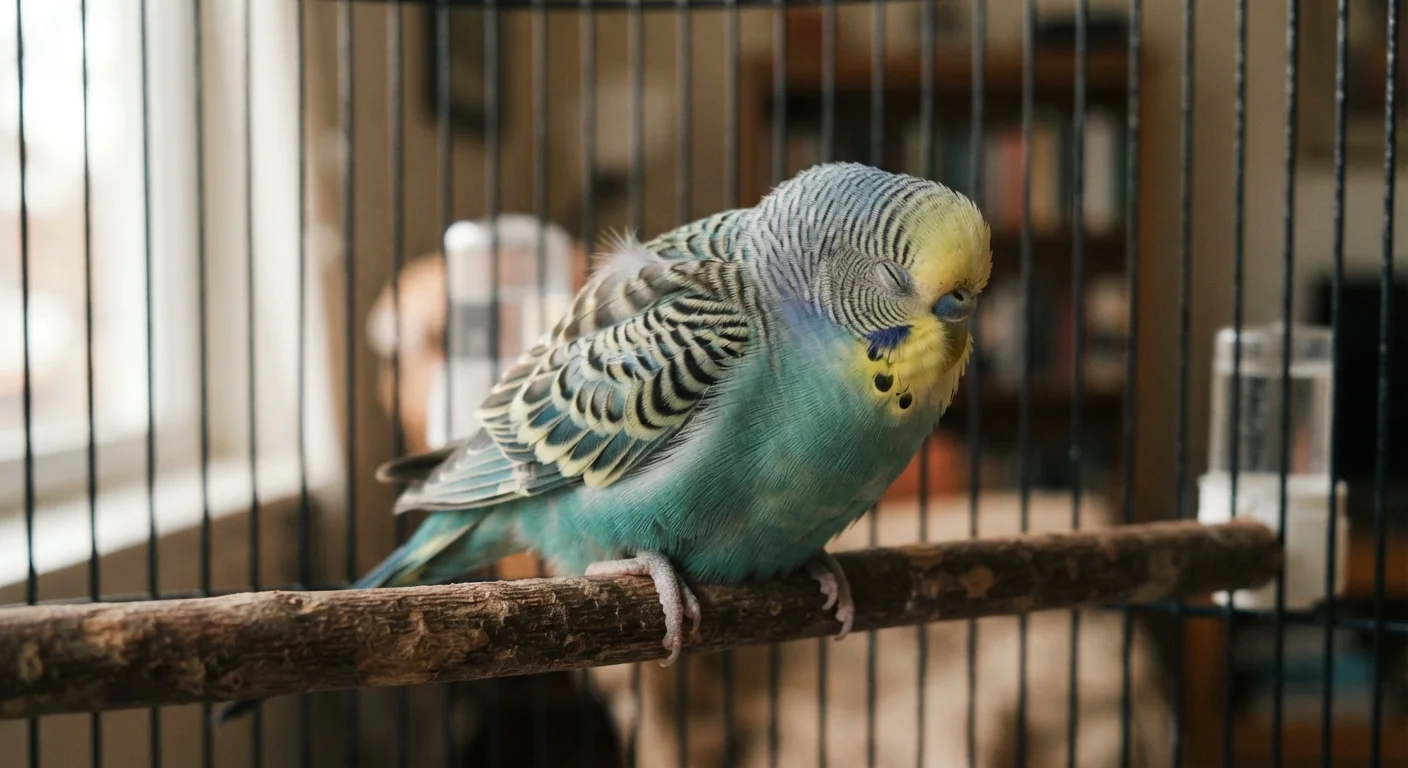
Why Birds Hide Illness — And Why That Matters for You
Birds have a strong instinct to conceal weakness. In the wild, showing signs of illness makes an animal a target for predators, so pet birds carry this same survival drive — often appearing healthy until a condition has become quite serious. This means owners need to watch closely for early, subtle shifts rather than waiting for obvious symptoms to appear.
The good news: because you see your bird every day, you are well-positioned to notice when something is off. The key is knowing what "normal" looks like for your individual bird — its baseline energy level, eating habits, vocalizations, and posture — so that deviations stand out quickly. This reference guide walks through the most reliable warning signs and clarifies when a call or visit to an avian veterinarian is the right move.
This article provides general educational information for bird owners and is not a substitute for professional veterinary advice. If you are concerned about your bird's health, consult a qualified avian veterinarian promptly.
| Instinct to hide illness | Strong — birds mask symptoms as a survival mechanism (Established veterinary and avian behavior guidance) |
| First observable sign | Behavioral change (quiet, fluffed, less active) often precedes physical symptoms (Avian veterinary practice consensus) |
| Emergency threshold | Open-mouth breathing, seizures, or prolonged floor-sitting require same-day care (General avian emergency care guidelines) |
| Specialist to see | Avian veterinarian (vet with specific bird medicine training) |
| Dropping changes | Color, consistency, or volume changes lasting more than one day are clinically relevant (Avian veterinary guidance) |
| Preventive care | Annual wellness exams recommended even for apparently healthy birds |
Physical and Behavioral Warning Signs
The following signs, alone or in combination, suggest your bird may need veterinary evaluation:
Changes in Posture and Feather Condition
- Fluffed feathers: A bird that remains puffed up for extended periods is often trying to conserve body heat — a classic sign of illness.
- Tail bobbing: Rhythmic up-and-down movement of the tail at rest can indicate respiratory distress.
- Sitting on the cage floor: Healthy birds typically perch. Staying on the floor may signal weakness, injury, or serious illness.
Eating, Drinking, and Droppings
- Reduced appetite or weight loss: A sudden disinterest in food, or visible weight loss (you may feel the keel bone becoming more prominent), warrants attention.
- Changes in droppings: Normal droppings have three distinct parts — solid feces, white urates, and clear liquid urine. Consistent changes in color, consistency, or volume are meaningful signals. Loose, discolored, or absent droppings should not be ignored.
- Increased water consumption: Excessive drinking can point to kidney or hormonal issues.
Respiratory and Vocal Changes
- Open-mouth breathing or wheezing: Any audible breathing difficulty is an urgent symptom requiring prompt attention.
- Reduced vocalization: A bird that has gone unusually quiet may be conserving energy due to illness.
- Nasal discharge or sneezing repeatedly: Occasional sneezes are normal, but persistent discharge or frequent sneezing can indicate infection or irritation.
Eyes, Beak, and Skin
- Dull, partially closed, or sunken eyes: Healthy birds have bright, alert eyes.
- Swelling around the eyes or face: Can signal infection or respiratory disease.
- Changes to beak or nails: Overgrowth, discoloration, or soft texture may reflect nutritional deficiencies or systemic disease.
Avian veterinarian
A veterinarian with specialized training and experience in the care of birds and other avian species. Not all general-practice vets have this expertise, so seeking an avian specialist is important for bird health concerns.
Keel bone
The prominent chest bone running along the center of a bird's sternum. Feeling this bone become very sharp or prominent can indicate significant weight loss.
Urates
The white or cream-colored solid portion of a bird's droppings, representing waste from kidney function. Changes in their color or texture can signal kidney or liver issues.
Respiratory distress
Difficulty breathing, which in birds may appear as tail bobbing, open-mouth breathing, wheezing, or a clicking sound. This is a veterinary emergency requiring prompt attention.
Subclinical
A disease or condition that is present in the body but not yet causing obvious, outwardly visible symptoms. Birds can be subclinically ill for some time before showing clear signs.
When to Call an Avian Vet — and What to Expect
Some signs call for a same-day or emergency appointment. Contact an avian veterinarian immediately if your bird shows:
- Open-mouth breathing, wheezing, or labored breathing
- Seizures or loss of balance
- Bleeding that does not stop quickly
- Prolonged sitting on the cage floor combined with other symptoms
- No droppings for 24 hours or longer
- Suspected ingestion of a toxic substance (certain plants, metals, fumes, or foods such as avocado or xylitol)
For less acute but still concerning changes — such as reduced appetite lasting more than a day, persistent feather fluffing, or a gradual change in droppings — schedule an appointment within 24 to 48 hours rather than adopting a wait-and-see approach.
When you call the clinic, note how long the symptoms have been present, any recent changes in diet or environment, and whether the bird has been exposed to new birds (which can introduce contagious illness). An avian vet — a veterinarian with specific training in bird medicine — will conduct a physical exam and may recommend blood work, cultures, or imaging to reach a diagnosis.
Routine preventive care matters too. Just as annual checkups for dogs often reveal overlooked issues, periodic wellness visits with an avian vet help establish baseline health data and catch subclinical problems early. Similarly, just as dogs often mask discomfort, birds rely on owners to recognize the quiet signals that something is wrong before a condition becomes critical.
The content on this site is for informational purposes only and is not a substitute for professional advice. Always consult a qualified professional for guidance specific to your situation.