

Why Travel Safety Myths Are Especially Risky
Bad travel advice falls into two categories: the kind that wastes your time, and the kind that gets you hurt or robbed. Safety myths belong firmly in the second camp. What makes them particularly dangerous is that they feel credible — they sound like the kind of thing a seasoned traveler would say.
The result is a false sense of security that leads people to skip precautions they'd otherwise take. This article examines the most persistent myths against what security professionals and travel researchers actually recommend. For a broader look at planning missteps that compound these risks, see our guide to common trip-planning assumptions.
Myth
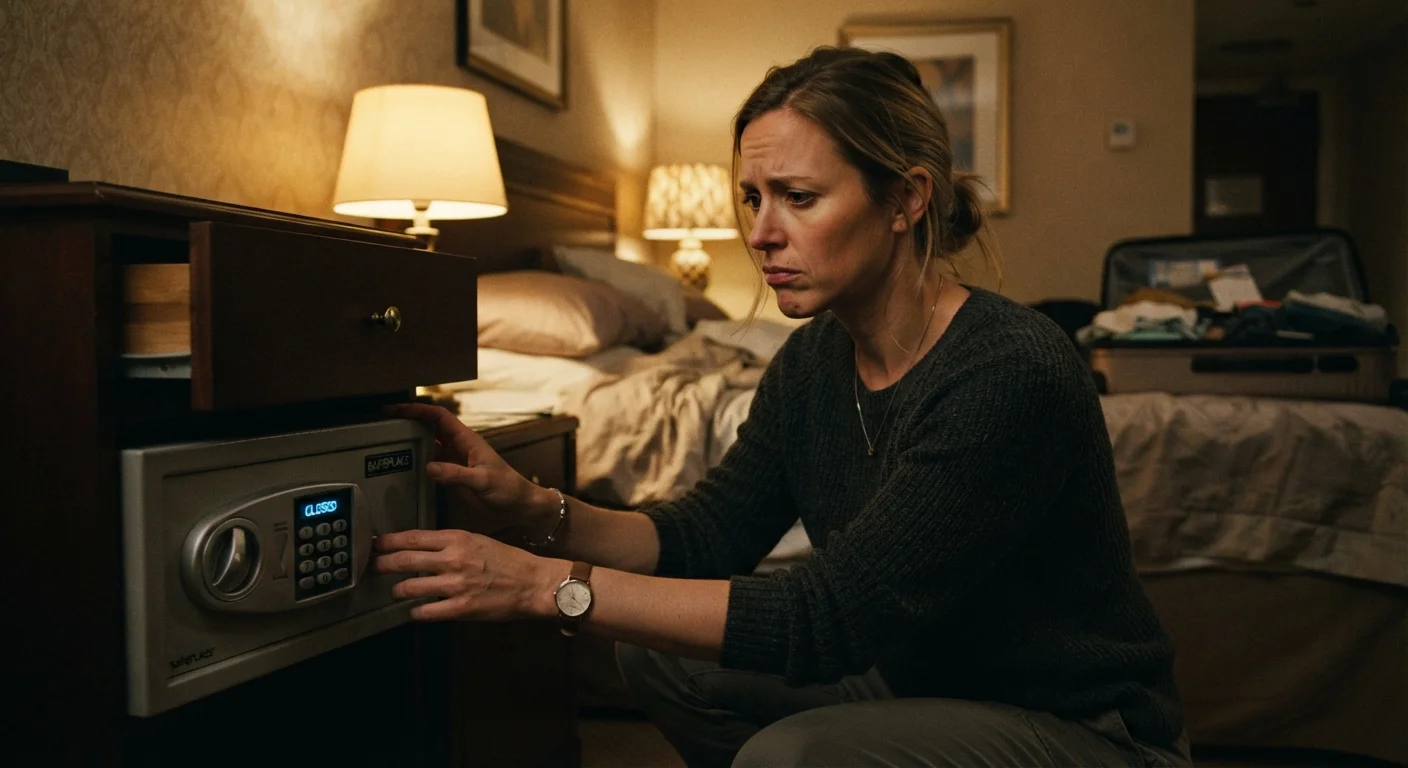
Hotel room safes keep your valuables truly secure.
Fact
Most hotel room safes use standard override codes and offer limited physical security — they deter casual snooping, not a determined thief.
Hotel in-room safes are typically bolted to a shelf or closet wall with short screws and use manufacturer default override codes that hotel staff — and anyone who looks them up — can access. Security researchers have demonstrated that many common safe models can be opened in seconds without the guest's code. For genuinely irreplaceable items like a second passport or significant cash, the hotel's front-desk safe (which is subject to more accountability) or leaving valuables at home entirely are more defensible choices.
Myth
Crowded tourist areas are safer because there are more people around.
Fact
High foot traffic in tourist zones makes them prime working environments for pickpockets, not deterrents to them.
Pickpockets rely on distraction and crowd cover. Busy attractions — markets, transit hubs, popular squares — concentrate distracted, camera-wielding visitors carrying cash and electronics, which is precisely why professional thieves gravitate toward them. Law enforcement agencies in major tourism cities consistently identify these zones as high-incident areas for petty theft. Awareness, secure bags, and minimal visible valuables matter far more than the presence of other tourists.
Myth
A password-protected public Wi-Fi network is safe to use for sensitive tasks.
Fact
A shared Wi-Fi password does not encrypt your data or prevent other users on the same network from intercepting it.
When multiple people share a Wi-Fi password, they share the same local network. On many public networks, a technique called a "man-in-the-middle" attack allows another person on the same connection to observe unencrypted traffic. Banking, email, and account logins remain vulnerable without additional encryption. A VPN (virtual private network) creates an encrypted tunnel that addresses this gap. Avoid financial transactions or account logins on any public network unless you have a trusted VPN active.
Myth
Travel insurance automatically covers everything that goes wrong on a trip.
Fact
Travel insurance policies carry significant exclusions — coverage varies widely by policy type, activity, and pre-existing conditions.
Common exclusions include pre-existing medical conditions (unless a waiver is purchased), adventure or "extreme" sports, travel to destinations under government advisories, and trip cancellations for reasons not listed as covered events. "Cancel for any reason" coverage is a distinct, usually more expensive add-on. Travelers who assume standard policies cover every scenario frequently discover the gaps only when they file a claim. Reading the policy's Summary of Benefits and exclusions section before departure is essential, not optional.
Myth
Blending in completely will prevent you from being targeted.
Fact
Behavioral cues — not appearance alone — are what opportunistic criminals typically read, and situational awareness matters more than clothing choices.
While avoiding conspicuously expensive gear and dressing modestly for the local context is reasonable advice, the idea that adopting local dress makes a traveler invisible to bad actors oversimplifies how targeting works. Fumbling with maps, appearing disoriented, or being visibly distracted by a phone signals vulnerability more reliably than clothing does. Confident, deliberate movement; knowing your route before you leave your accommodation; and keeping your phone out of sight in high-risk areas are more effective than any outfit change.
Myth
Your home country's embassy can get you out of any legal trouble abroad.
Fact
Embassies can provide limited assistance — they cannot override foreign laws, pay fines, or secure your release from custody.
A common misunderstanding is that citizenship provides a kind of legal immunity when traveling. In practice, embassies and consulates can visit detained citizens, provide lists of local attorneys, and contact family members — but they operate within the legal framework of the host country. They cannot intervene in criminal proceedings, post bail, or compel another government to act. Understanding local laws before you travel, particularly around areas like photography restrictions, drug regulations, and dress codes in certain regions, is a more reliable form of protection.
Practical Steps That Actually Improve Your Safety
Debunking myths is only half the work. Here's what security-conscious travelers actually do differently:
- Split your cash and cards. Keep one card and some local currency in a secure location separate from your wallet. If your bag is targeted, you won't lose everything.
- Use a VPN on public networks. A reputable virtual private network (VPN) encrypts your connection, adding a meaningful layer of protection that a Wi-Fi password alone does not provide.
- Register with the Smart Traveler Enrollment Program (STEP). This free U.S. State Department service alerts your embassy to your presence abroad, which matters during emergencies, civil unrest, or natural disasters.
- Photograph your documents. Store digital copies of your passport, insurance cards, and visas in a secure cloud folder — separate from your physical documents.
Don't Rely on In-Room Safes for High-Value Items
If you're traveling with items you genuinely cannot afford to lose — a second form of ID, large amounts of cash, or irreplaceable documents — an in-room safe is not sufficient protection. Use the hotel's front-desk safe when available, or better yet, leave high-value items at home. Most travel situations don't require carrying them.
Travel insurance is another area where assumptions cause real harm. Many travelers discover only at the claim stage that their policy excludes pre-existing conditions, adventure activities, or certain destinations. Reading the policy details before departure — not after — is the only way to know what you're actually covered for. Our article on what travel insurance actually covers breaks down the key policy types worth understanding.
Finally, packing thoughtfully is itself a safety strategy. Carrying fewer valuables, using luggage that closes securely, and avoiding conspicuous bags reduce your exposure as a target. See our practical packing strategies for approaches that work across different trip types.
This article is for general informational purposes only. For destination-specific safety and entry requirements, verify current conditions with official government sources, including travel advisories from the U.S. Department of State, before you travel.
The content on this site is for informational purposes only and is not a substitute for professional advice. Always consult a qualified professional for guidance specific to your situation.