

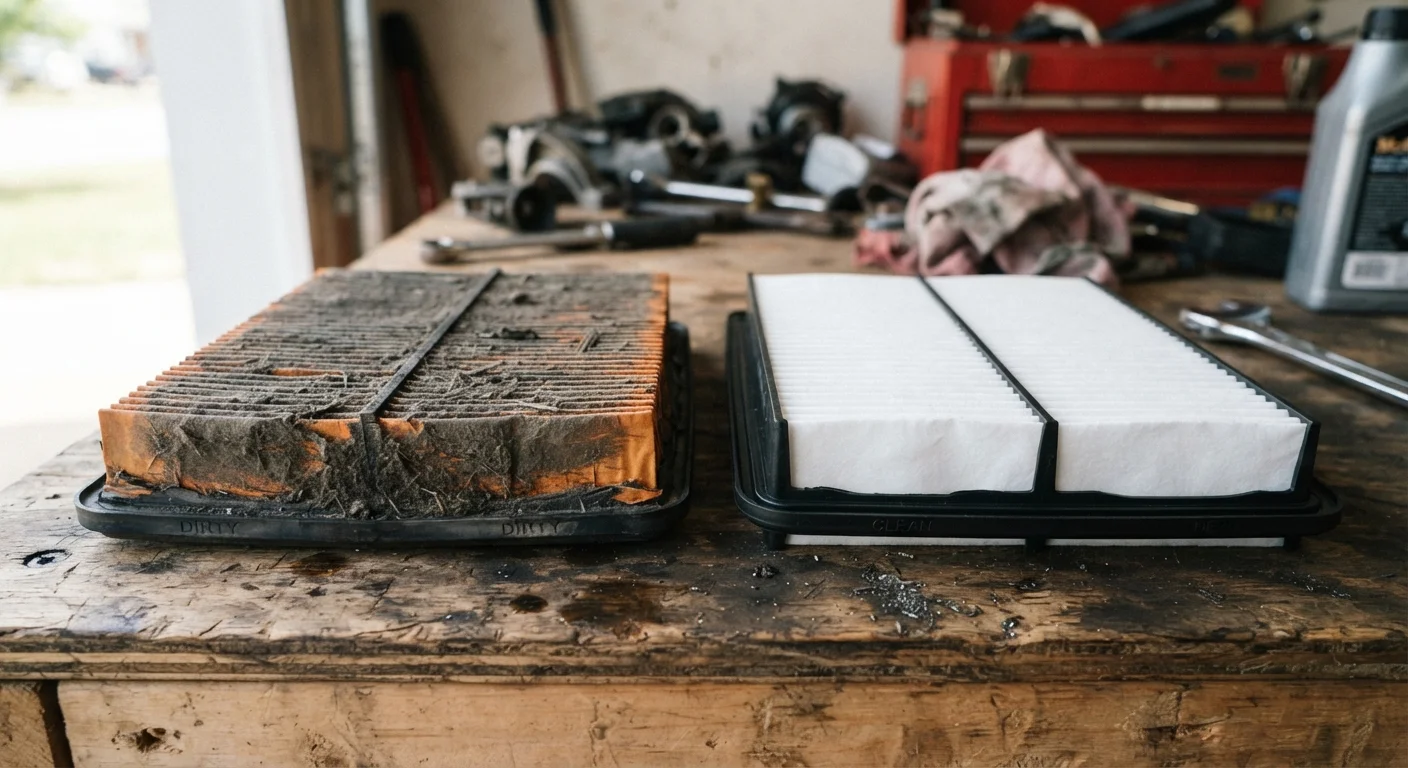
Two Filters, Two Very Different Jobs
Most drivers know their car has an air filter somewhere, but many don't realize there are actually two — and they serve completely separate purposes. Understanding the distinction is the first step toward maintaining both properly.
The engine air filter sits in the air intake system and cleans outside air before it enters the engine's combustion chamber. Combustion requires a precise mix of air and fuel; contaminated or debris-laden air can interfere with that process and wear internal engine components over time.
The cabin air filter, on the other hand, has nothing to do with engine mechanics. It filters the air drawn into your car's heating, ventilation, and air conditioning (HVAC) system — the air you and your passengers actually breathe. It captures dust, pollen, mold spores, and in many modern filters, even fine particulate matter and odors.
Neglecting either filter has consequences, but they show up in very different ways. See our beginner's guide to under-the-hood components for a broader look at how these systems fit together.
What a Clogged Engine Air Filter Actually Does
When an engine air filter becomes saturated with dirt and debris, it restricts the volume of air reaching the engine. Your engine needs a carefully calibrated ratio of air to fuel to run efficiently — too little air tips that balance.
15K–30K
Miles between typical engine air filter inspections
General guidance from vehicle manufacturers; always verify with your specific owner's manual.
2
Air filters in most modern passenger vehicles
One filters air entering the engine; the other filters air circulated through the cabin HVAC system.
15K–25K
Miles between typical cabin air filter changes
Interval varies by driving environment — dusty or high-pollen conditions can shorten the effective lifespan.
In older carbureted engines, a restricted filter had a more direct and measurable effect on fuel economy. Modern fuel-injected vehicles use oxygen sensors and engine control modules that partially compensate for reduced airflow, so the effect on fuel economy is often less dramatic. However, a severely clogged filter can still reduce engine responsiveness, increase emissions, and in extreme cases, trigger a check engine warning.
The filter itself is also a physical barrier protecting sensitive components — including the mass airflow sensor — from dust and grit that could cause premature wear or inaccurate readings.
The Cabin Filter: A Quiet Guardian of Interior Air Quality
The cabin air filter is easy to forget because its effects are gradual and invisible. You won't hear a warning chime when it's due for replacement.
A degraded cabin filter progressively reduces airflow through your vents. Before long, your defroster takes longer to clear the windshield, your air conditioning feels weaker even at full blast, and the blower motor may whine or strain. Beyond comfort, a filter packed with accumulated pollutants can start to harbor bacteria or mold, then push that air into the cabin.
Check Your Cabin Filter Seasonally
Spring and fall — when pollen counts and dust levels fluctuate — are natural times to visually inspect your cabin air filter. You don't need special tools; many cabin filters are accessible by opening the glove box. A quick look can tell you whether it's time to replace it before performance or air quality suffers.
People with allergies or respiratory sensitivities are especially likely to notice a difference once a cabin filter is replaced. If your car's interior air feels stale or musty, this filter is a logical first place to check.
Just as home HVAC filters protect indoor air quality, your cabin filter does the same job in a much smaller space. Our article on why HVAC filters get overlooked explores that parallel in the home context.
When and How Often to Replace Each Filter
Replacement intervals are not one-size-fits-all. Manufacturers typically suggest inspecting the engine air filter every 15,000 to 30,000 miles and the cabin air filter every 15,000 to 25,000 miles, but your owner's manual is the authoritative source for your specific vehicle.
Environment matters considerably. Driving regularly on unpaved roads, in high-pollen areas, or in heavily polluted urban environments will clog both filters faster than typical highway driving. A visual inspection — holding the filter up to light — can give you a quick sense of whether replacement is warranted before the mileage interval arrives.
Filter replacement is among the more straightforward maintenance tasks, though cabin filter access varies widely by vehicle. Some are easily accessible behind the glove box; others require more disassembly. If you're unsure, a qualified mechanic can handle it quickly as part of a routine service visit. This fits into the broader category of routine maintenance tasks that prevent larger repair bills.
It's also worth questioning some common assumptions about car care — our look at car maintenance myths addresses several widely held but outdated rules that may not apply to your vehicle.
Frequently Asked Questions
Most manufacturers suggest inspecting the engine air filter every 15,000 to 30,000 miles, but this varies by vehicle and environment. Drivers in dusty or unpaved conditions may need to replace it more frequently. Always check your owner's manual for the interval specific to your vehicle.
A severely clogged cabin air filter reduces airflow through your vents, causing your HVAC system to work harder. Over time, this can strain the blower motor. It also allows more dust, pollen, and pollutants to circulate inside the cabin, which may worsen allergies or respiratory discomfort.
In some cases, yes. A heavily restricted engine air filter can disrupt the air-fuel mixture that the engine management system monitors. If sensors detect an imbalance, a warning light may illuminate. However, many other issues also trigger warning lights, so a mechanic should diagnose the root cause.
In most vehicles, the cabin air filter is located behind the glove box, under the dashboard, or beneath the hood near the base of the windshield. Locations vary by make and model, so consulting your owner's manual or a trusted mechanic is the most reliable approach.
Modern fuel-injected engines use sensors to adjust the air-fuel mixture even when airflow is restricted, so the impact on fuel economy is often more modest than once believed. That said, severe restriction does force the engine to work harder and can affect performance. Replacing a dirty filter is still worthwhile maintenance.
The content on this site is for informational purposes only and is not a substitute for professional advice. Always consult a qualified professional for guidance specific to your situation.