

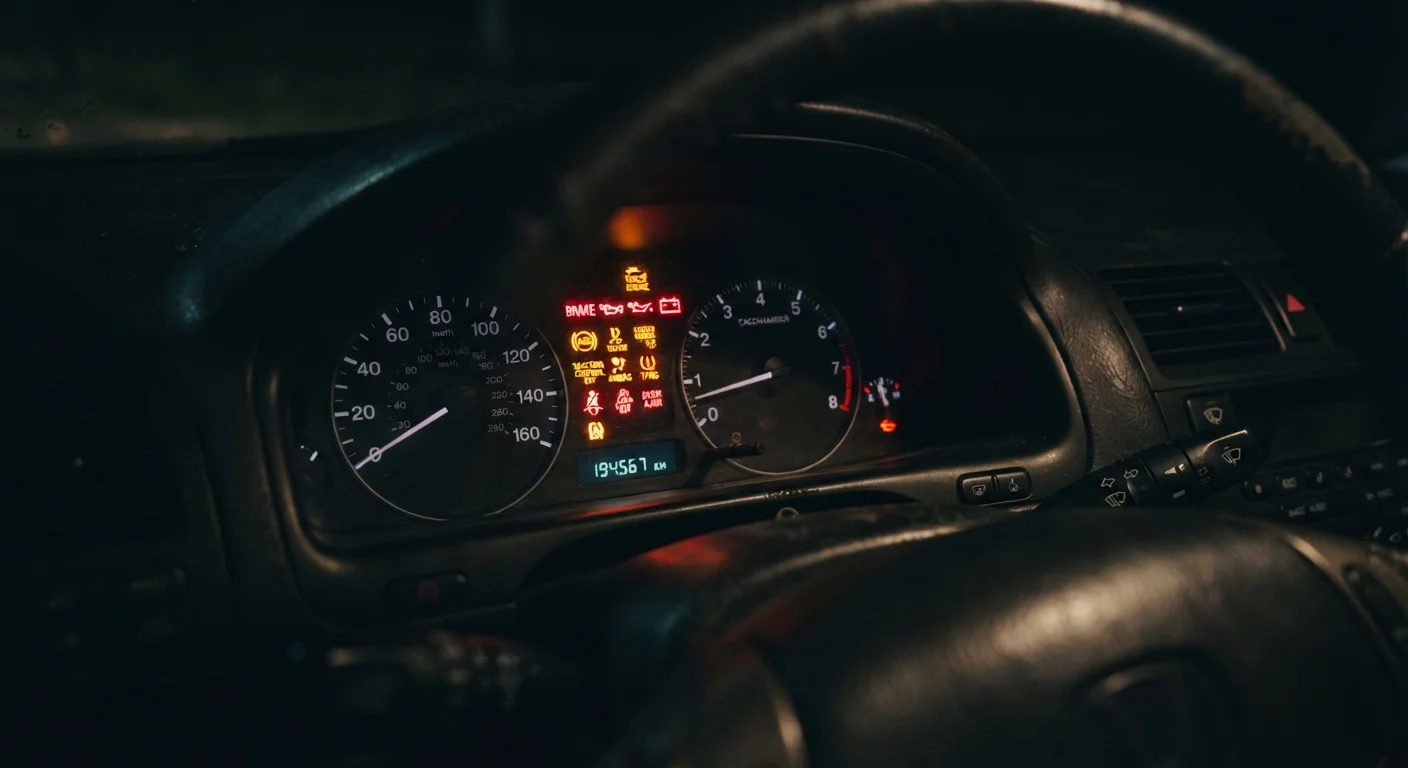
Why Warning Lights Exist (and What the Colors Mean)
Modern vehicles are equipped with an onboard diagnostics system (OBD) that continuously monitors dozens of sensors — from oil pressure to transmission temperature. When something falls outside normal parameters, the system triggers a dashboard warning light. These aren't suggestions; they're alerts from your car's own monitoring network.
Color coding follows a fairly consistent logic across manufacturers:
- Red: Stop or act immediately. Continuing to drive risks serious damage or a safety hazard.
- Amber/Yellow: Attention needed soon. The vehicle is likely still drivable, but don't delay scheduling service.
- Green/Blue: Informational. A system is active (e.g., high-beam headlights or cruise control).
When in doubt about any light you don't recognize, consult your owner's manual — it's the definitive reference for your specific vehicle.
| Diagnostic standard (US) | OBD-II (all cars sold since 1996) (EPA / CARB mandate) |
| TPMS required since | 2008 (all new US passenger vehicles) (TREAD Act, NHTSA) |
| Red light response | Stop driving as soon as safely possible |
| Fault code reader | OBD-II scan tool plugs under dashboard |
| Owner's manual | Definitive guide for your specific vehicle's lights |
The Most Common Warning Lights, Decoded
Here's a plain-English rundown of the warning lights most drivers encounter:
Check Engine (Amber)
This is the most misunderstood light on the road. It signals that the engine control module has detected a fault — anything from a loose gas cap to a misfiring cylinder. A steady check engine light usually means schedule a diagnostic scan soon. A flashing check engine light indicates an active misfire that can damage the catalytic converter — reduce speed and have the vehicle inspected promptly.
Oil Pressure (Red)
This icon — typically an oil can — means engine oil pressure has dropped dangerously low. Pull over safely and turn off the engine immediately. Driving with low oil pressure can destroy an engine within minutes. Check the oil level; if it's adequate and the light stays on, the pressure sensor or oil pump may be faulty. Have it towed rather than driven.
Battery / Charging System (Red)
A battery-shaped icon signals the charging system isn't maintaining proper voltage. This is often the alternator. The vehicle may continue running briefly on battery reserve, but electrical systems will begin failing. Head directly to a shop.
Temperature Warning (Red)
Your engine is overheating. Pull over, turn off the engine, and let it cool — do not open the radiator cap on a hot engine. Check coolant level only after the engine cools. Our guide to fluid checks covers coolant safely.
Tire Pressure (TPMS) (Amber)
The Tire Pressure Monitoring System has detected one or more tires significantly under-inflated (typically 25% or more below the recommended pressure on the door jamb sticker). Check all four tires with a gauge and inflate to spec. Driving on underinflated tires reduces fuel economy and can cause a blowout.
ABS Warning (Amber)
Anti-lock Braking System — the safety feature that prevents wheel lockup during hard braking — is not functioning normally. Standard braking still works, but the ABS assist does not. Safe driving practices become even more critical; schedule service promptly.
Brake System (Red)
Could indicate the parking brake is still engaged, or — more seriously — low brake fluid or a hydraulic fault. Release the parking brake first. If the light remains on, do not drive; have the vehicle inspected immediately.
Traction Control / Stability Control (Amber)
If this flashes briefly during slippery conditions, that's normal — the system is actively working. If it stays on steadily, the system may be disabled or faulty. See other signs your car needs attention that can accompany this warning.
OBD-II
On-Board Diagnostics, second generation. A standardized system built into all US vehicles since 1996 that monitors engine and emissions-related components and stores fault codes when problems are detected.
Fault code (DTC)
A Diagnostic Trouble Code stored by the vehicle's computer when a sensor reading falls outside normal range. A scan tool reads these codes to help identify the source of a warning light.
TPMS
Tire Pressure Monitoring System. Sensors in the wheels alert the driver when tire pressure drops significantly below the recommended level, helping prevent blowouts and improve fuel economy.
ABS
Anti-lock Braking System. Prevents wheels from locking up during hard braking, allowing the driver to maintain steering control. An ABS warning light means this safety assist may not be functioning.
Catalytic converter
An emissions control device in the exhaust system that converts harmful combustion byproducts into less harmful gases. Engine misfires can overheat and permanently damage it.
Alternator
The component that generates electrical power while the engine runs, keeping the battery charged and powering vehicle electronics. A failing alternator triggers the battery/charging warning light.
What to Do When a Light Comes On
The right response depends on the light's color and behavior:
- Red light: Treat as urgent. Stop driving when safe to do so, assess the situation, and contact a mechanic or roadside assistance.
- Flashing amber: Reduce speed and seek service the same day.
- Steady amber: Schedule a diagnostic appointment within a few days. Don't ignore it — faults can worsen and secondary problems can develop.
A professional mechanic can plug a scan tool into your vehicle's OBD-II port (standardized on all cars sold in the US since 1996) to read the specific fault code. This takes the guesswork out of diagnosis. Understanding what's under your hood can also help you communicate more effectively with your mechanic.
Not sure whether a repair is DIY-appropriate? Our guide on DIY car maintenance vs. taking it to a shop helps you assess that line clearly.
The content on this site is for informational purposes only and is not a substitute for professional advice. Always consult a qualified professional for guidance specific to your situation.