

Why Moisture Hides in Plain Sight
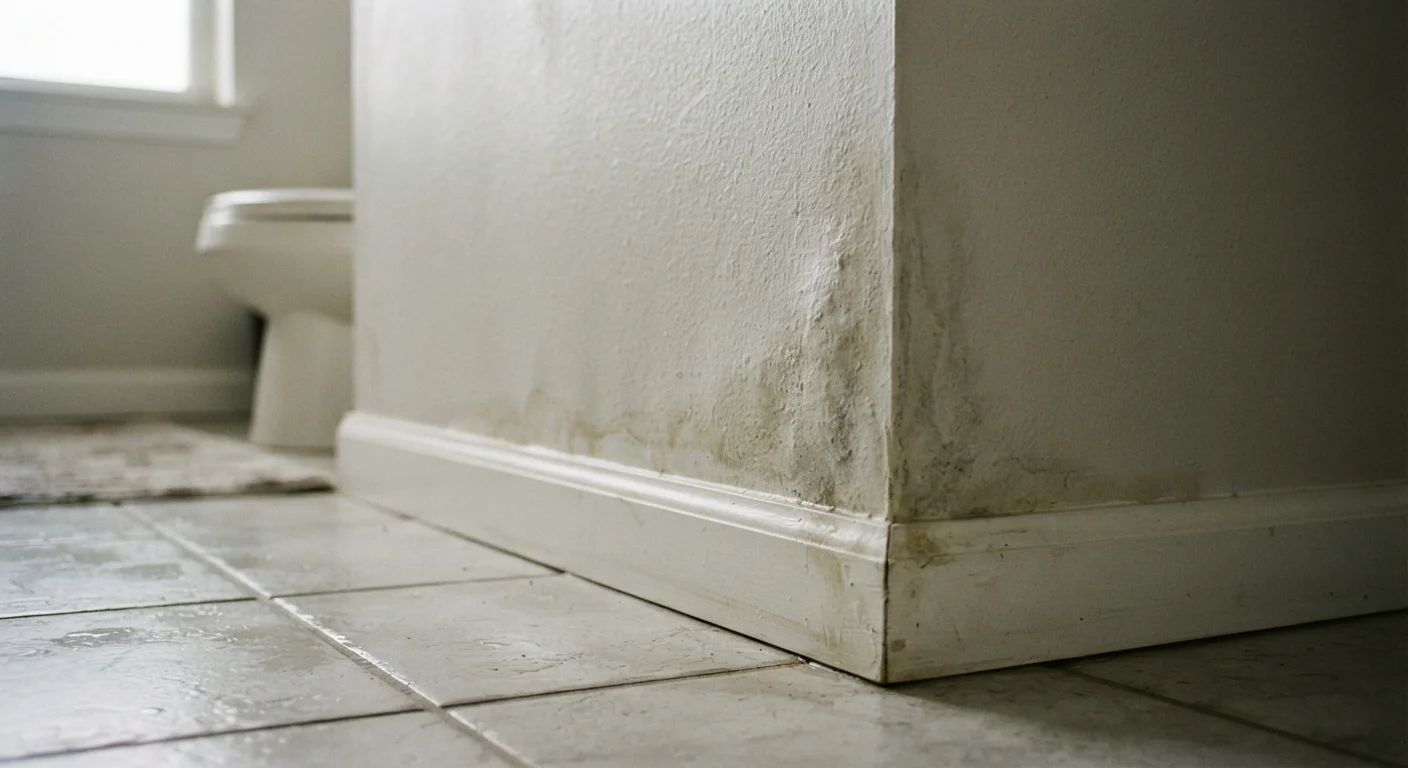
Water damage is one of the most common — and most preventable — problems homeowners face. The challenge is that moisture rarely announces itself. By the time a stain appears on a ceiling or a floor starts to buckle, the damage has usually been building for weeks or months behind the scenes.
Understanding where moisture typically accumulates gives you a meaningful advantage. A quick, informed walk-through a few times a year can surface problems that would otherwise silently worsen into structural damage or mold growth. The locations below are the ones most likely to develop hidden dampness in a typical American home — and the ones most often overlooked during casual inspections.
Unaddressed moisture can also become a financial burden over time. As explored in our article on what deferred maintenance really costs homeowners, small neglected issues routinely snowball into repairs far more expensive than early intervention would have been.
Under kitchen and bathroom sinks
The cabinet space beneath a sink is one of the most reliably overlooked spots in any home. Supply line fittings and drain connections are prone to slow drips that never pool dramatically but steadily soak the cabinet floor and surrounding particleboard. Particleboard — common in stock cabinetry — absorbs moisture quickly and begins to deteriorate and grow mold without obvious exterior signs.
Open the cabinet doors and look at the base panel. Soft, swollen, or discolored material is a red flag. Check pipe connections with dry fingers to feel for any moisture, and inspect the wall behind the pipes for staining or soft drywall.
A slow drip under a sink can rot a cabinet floor in weeks without ever forming a visible puddle.
Around windows and exterior door frames
Window and door frames rely on caulk and weatherstripping to keep water out — both of which degrade over time due to UV exposure, temperature cycling, and normal settling. When the seal fails, rainwater can infiltrate the gap between the frame and the surrounding wall assembly, where it wicks into framing lumber or insulation with no outward sign for months.
Look for caulk that is cracked, shrunken, or missing entirely. Inside, check for paint that is bubbling or peeling near the window sill or door frame, and press lightly on drywall in those areas to test for softness. Peeling exterior paint near frames is often an early indicator of water infiltration, not just a cosmetic issue.
Cracked caulk around a window frame is one of the most common entry points for wall moisture damage.
The attic floor and roof deck
Attics are rarely visited, yet they are highly vulnerable to two distinct moisture sources: roof leaks from above, and condensation from below when warm interior air meets cold roof sheathing. Both can saturate insulation and wood framing without producing any visible stain on interior ceilings for a considerable time.
Check the attic after heavy rain using a flashlight. Look for dark staining or discoloration on the roof decking, wet or compressed insulation, and any daylight visible through the roofline. Also verify that bathroom exhaust fans and dryer vents terminate outside the attic — not into it — as interior exhausting is a leading cause of chronic attic condensation.
Bathroom exhaust fans vented into the attic — not outside — are a leading cause of chronic attic moisture.
The basement rim joist area
The rim joist is the band of framing lumber that sits on top of your foundation wall, just below the first floor. It is frequently uninsulated, directly exposed to outdoor temperature swings, and rarely inspected. In cold climates, this area is prone to condensation when warm interior air contacts the cold framing; in humid climates, exterior moisture can migrate inward.
Look for dark staining, soft wood, or active mold growth along the rim joist boards. Many homeowners find that sealing and insulating this zone — a task often handled by a qualified insulation contractor — significantly reduces dampness in the basement overall. Note that work involving the structural framing or significant air sealing may require a permit in some jurisdictions; verify local requirements before proceeding.
The uninsulated rim joist is among the most reliably cold and damp spots in a typical American basement.
Beneath and behind the refrigerator
Refrigerators with ice makers or water dispensers have a water supply line running to the back of the unit. These lines, typically small plastic or braided stainless tubing, can develop slow leaks at the wall fitting or at the refrigerator connection point. Because the refrigerator obscures the area, a seeping line can saturate the flooring and subfloor for a long time before the appliance is moved.
Pull the refrigerator away from the wall annually. Check the water line fittings for any mineral deposits or moisture, and inspect the floor area directly behind and under the unit for soft spots, discoloration, or warping in vinyl or wood flooring.
A slow ice-maker line leak can quietly ruin subfloor material for months while hidden behind the refrigerator.
Shower and tub surrounds
Grout and caulk in a tiled shower or tub surround are consumable — they deteriorate with use, cleaning products, and thermal expansion. When grout cracks or caulk at the tub-wall joint fails, water enters the wall cavity during every shower and soaks into the backer material behind the tile. This is one of the most common pathways for mold to establish itself inside a wall.
Run your hand along the grout lines and caulk joint at the base of the tub. Grout that is soft, crumbling, or discolored and caulk that has separated or turned gray are signs that resealing is overdue. Press gently on tiles — movement or a hollow sound can indicate that moisture has already compromised the substrate behind them, which may require professional assessment.
A failed caulk joint at the tub-wall seam is one of the most direct routes for daily shower water into your walls.
Crawl spaces
In homes with a crawl space rather than a basement, moisture management below the first floor is critical and often neglected. Ground moisture naturally evaporates upward, and without an adequate vapor barrier on the crawl space floor, this humidity migrates into floor joists and subfloor sheathing above. Standing water after rain is an obvious problem, but persistent high humidity without standing water can be just as damaging over time.
Inspect the crawl space at least once a year, ideally in spring after wet weather. Look for a continuous polyethylene vapor barrier on the ground, check that foundation vents are unobstructed (or properly sealed in conditioned crawl spaces), and look for any signs of wood rot or mold on the joists. A musty odor rising through the first-floor floor covering is often the first symptom homeowners notice.
Ground evaporation in an unprotected crawl space can quietly rot floor joists from below over several seasons.
Making Moisture Checks a Habit
None of these spots require specialized equipment to monitor — a flashlight, your fingertips, and a nose sensitive to musty odors will catch most early-stage problems. The goal isn't to become a home inspector; it's simply to look deliberately at areas you'd otherwise walk past.
Use Your Nose as an Early Warning Tool
A persistent musty or earthy smell in a room — especially one that intensifies after rain or in humid weather — is often the first detectable sign of hidden moisture or mold, even when no visible damage is present. If a specific room or cabinet smells off, treat it as a prompt to investigate nearby plumbing, walls, and flooring rather than assuming it's minor. Trust the odor before you trust the absence of visible stains.
When you do find damaged seals, gaps around penetrations, or soft drywall, addressing them promptly is straightforward. Our guide on caulking, weatherstripping, and sealing explains exactly which repair material belongs where. And if moisture has already softened drywall in a small area, drywall repair for beginners walks through the patching process step by step.
Staying ahead of moisture is less about effort and more about knowing where to look — and looking regularly.
The content on this site is for informational purposes only and is not a substitute for professional advice. Always consult a qualified professional for guidance specific to your situation.