

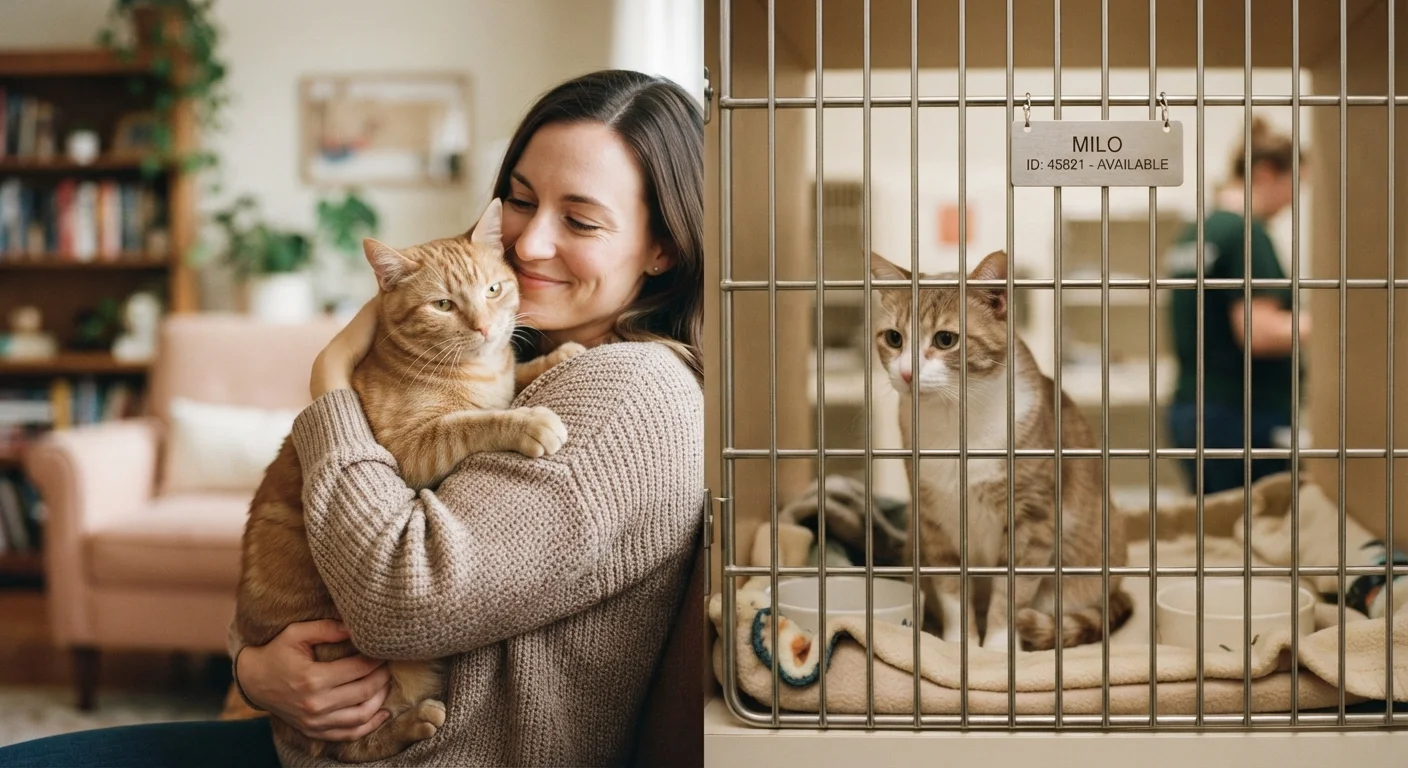
Our Verdict
Neither shelter adoption nor buying from a breeder is universally the right choice — both can lead to a healthy, loving relationship with a cat. Shelters offer a compelling combination of lower upfront cost, immediate availability, and the chance to give a cat a second opportunity, while reputable breeders offer predictability in breed-specific traits that some owners genuinely need. The most important factor is honest self-assessment: your lifestyle, experience level, and what you're truly prepared to manage long-term.
Shelter adoption suits most first-time or experienced cat owners who are flexible on breed and want a cat that may already be socialized; breeder purchase suits those with specific health, allergy, or breed-trait needs who have thoroughly researched reputable sources.
Understanding the Two Paths
When you decide to add a cat to your home, two main routes exist: adopting through a shelter or rescue organization, or purchasing a kitten from a breeder. Both are legitimate choices, and both require careful thought. The decision isn't simply about cost or sentiment — it involves practical factors like health history, behavioral expectations, and your own experience as an owner.
Shelters range from municipal animal control facilities to private rescues, and the quality of care and available information varies between them. Breeders similarly range from small, responsible hobby breeders to large-scale commercial operations. Neither category is monolithic, which is why researching the specific source matters as much as deciding between the two paths in the first place.
Once you've made your choice and brought your new cat home, the early weeks will present their own learning curve regardless of where the cat came from.
Pros and Cons of Adopting from a Shelter
Shelter and rescue adoption is the most common route for cat ownership in the United States, and for good reason. Cats of all ages, coat types, and personalities are available — often including purebred cats surrendered by previous owners.
Lower upfront adoption fees than breeder prices
Most shelters charge adoption fees between $25 and $150, which typically include spay/neuter surgery, initial vaccinations, and microchipping — services that would cost considerably more if obtained separately.
Cats often arrive already altered and vaccinated
Many shelters complete spaying or neutering, core vaccines, and microchipping before adoption, reducing the immediate veterinary burden on the new owner.
Wide variety of ages, personalities, and coat types
Shelters house kittens, adults, and seniors across a broad range of personalities, giving adopters the chance to choose a temperament that genuinely fits their lifestyle rather than guessing from breed descriptions.
Adult cats have established, observable personalities
Unlike kittens, whose adult temperament is not fully predictable, adult shelter cats display consistent behaviors that shelter staff can describe from direct observation.
Directly addresses the shelter overpopulation problem
Millions of cats enter U.S. shelters each year. Adoption creates space for another animal in need and supports organizations doing meaningful community work.
On the other side, shelters do present some genuine uncertainties. Health and behavioral histories may be incomplete, especially for stray cats with no prior owner records. Some cats carry stress-related behaviors from their time in a shelter environment that take weeks or months to resolve at home. Older shelter cats with medical conditions may also come with ongoing care costs that aren't immediately apparent.
Health and behavioral history may be incomplete
Stray or surrendered cats may arrive with unknown medical histories, making it harder to anticipate hereditary conditions or prior trauma that could affect behavior.
Shelter stress can mask a cat's true temperament
Cats in shelter environments often exhibit anxiety, withdrawal, or aggression that diminishes significantly once they're in a stable home — but this adjustment period can be lengthy and requires patience.
Less predictability in physical traits and breed characteristics
Most shelter cats are domestic shorthairs or mixed breeds, so size, coat density, and breed-linked temperament traits are less predictable than with a purebred kitten from a documented line.
If you plan to adopt and your new cat is not yet altered, understanding the procedure is worthwhile — see our overview of spaying and neutering cats for what to expect.
Pros and Cons of Buying from a Breeder
Purchasing a cat from a reputable breeder makes sense in specific circumstances — particularly when a person has genuine breed-related needs, such as a low-shedding coat for allergy management, a particular temperament profile, or experience showing cats. Reputable breeders invest significantly in genetic testing and socialization.
3.2M
Cats entering U.S. shelters annually
According to the ASPCA, approximately 3.2 million cats enter U.S. animal shelters each year, with roughly 2.1 million adopted.
$500–$3,000+
Typical purebred kitten price range
Breeder prices vary widely by breed and region; rare or highly sought-after breeds can exceed $3,000 from established, health-tested lines.
However, buying from a breeder comes with notable trade-offs. Upfront costs are substantially higher, often ranging from several hundred to several thousand dollars depending on the breed. Kittens from breeders also require the same vaccinations, parasite control, and veterinary setup costs as any other cat. And finding a genuinely responsible breeder requires homework — visiting in person, asking about genetic health testing, and being wary of sellers who won't allow visits or can't provide documentation.
How to Spot a Responsible Breeder
A reputable breeder will welcome in-person visits to their home or cattery, provide documentation of genetic health testing for breed-specific conditions, and ask you questions about your lifestyle. They will not sell kittens under 12 weeks of age, and they will typically require a contract that includes a return clause. Be cautious of any seller who ships kittens without a meeting, cannot provide veterinary records, or has multiple litters perpetually available with no waitlist.
Practical Factors Worth Weighing Before You Decide
Beyond the pros and cons of each path, a few practical considerations should shape your thinking:
- Your timeline: Shelters often have cats available immediately. Reputable breeders frequently have waitlists of several months.
- Your household: If you have other cats, the introduction process matters regardless of origin. Multi-cat households require thoughtful management from day one.
- Your experience level: First-time cat owners often benefit from adopting an adult shelter cat whose personality is already established, rather than navigating the unpredictability of kittenhood.
- Long-term grooming needs: Certain breeds require regular professional or home grooming. If you're considering a long-haired breed, read up on grooming your cat at home before committing.
Whichever path you choose, the cat's individual personality — observed in person, not assumed from photos — should be a primary factor in your decision. Spend time with the animal before finalizing anything.
This article is for general informational purposes only and is not a substitute for professional veterinary guidance. Consult a licensed veterinarian for advice specific to your cat's health and needs.
The content on this site is for informational purposes only and is not a substitute for professional advice. Always consult a qualified professional for guidance specific to your situation.