

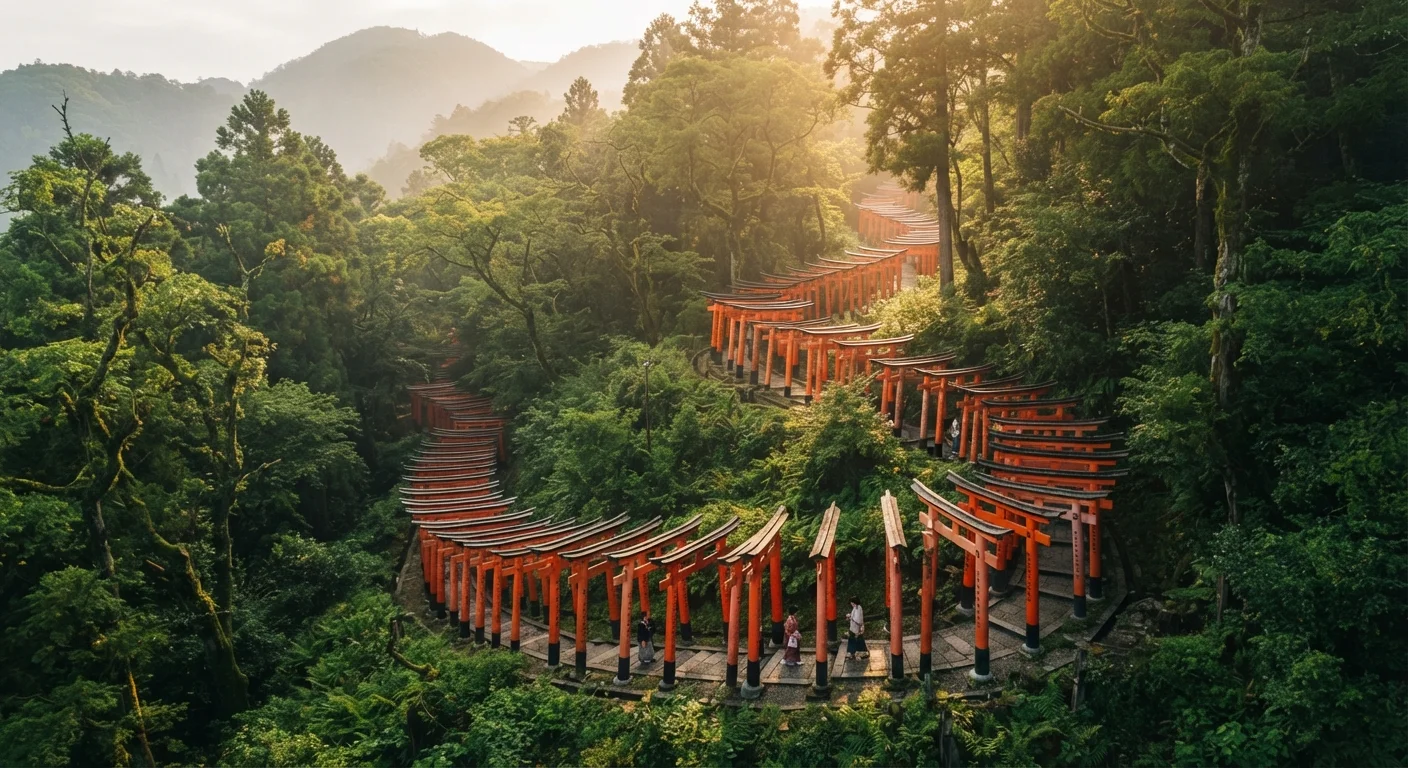
Why Japan Trips Go Sideways Before They Even Start
Japan sits near the top of many Americans' travel bucket lists, and for good reason — the food, the landscapes, the cities, and the culture are genuinely extraordinary. But first-time visitors often arrive carrying a backpack full of assumptions built from social media reels, anime, and well-meaning but incomplete advice. Some of those assumptions lead to real inconveniences: getting caught cashless, booking the wrong rail pass, or spending the whole trip anxious about accidentally being rude.
The good news? Most of Japan's so-called complexities are manageable once you understand what's actually true. This piece walks through the most common misconceptions — head-on — so you can plan with clarity rather than anxiety. And if you're still sorting out the basics of international travel, our first international trip checklist is a solid place to start.
Myth
You need to speak Japanese to get around comfortably.
Fact
English signage, apps, and widely available translation tools make Japan highly navigable for non-Japanese speakers.
Major train stations, airports, and tourist areas throughout Japan feature bilingual or multilingual signage. Google Translate's camera mode handles menus and maps in real time. Many younger Japanese residents have working English, and even when communication is limited, station staff are generally patient and helpful. You will encounter situations where language is a genuine barrier — ordering at a small rural restaurant, for instance — but these moments are more charming than stressful for most travelers.
Myth
Japan is almost entirely cashless now, so you don't need to carry yen.
Fact
Cash remains essential in Japan — many restaurants, temples, vending machines, and local shops do not accept cards.
While card acceptance has grown in larger cities and chain establishments, Japan's cash culture remains deeply embedded. Small family-run restaurants, regional temples and shrines, rural ryokans, and many convenience store transactions still run on yen. ATMs at 7-Eleven and Japan Post Bank locations reliably accept international cards, but relying solely on your debit or credit card will leave you stranded more than once. Arrive with some yen already exchanged, and replenish at ATMs rather than airport currency kiosks when possible.
Myth
The Japan Rail Pass is always worth buying.
Fact
The JR Pass is only cost-effective for certain itineraries — point-to-point tickets or regional passes often make more financial sense.
The JR Pass covers Shinkansen travel (excluding the fastest Nozomi and Mizuho services) and many local JR lines. If your itinerary includes multiple long-distance bullet train journeys — say, Tokyo to Kyoto and back, plus Hiroshima — the pass may pay for itself. But if you're staying primarily in one region or mixing in budget flights between cities, you could pay significantly more than you use. Calculate your expected routes against current pass prices before purchasing, using the routes you've actually planned.
Myth
Japanese etiquette is so strict that tourists constantly offend locals.
Fact
While etiquette matters, most Japanese people extend considerable goodwill to respectful, well-intentioned foreign visitors.
Yes, there are real customs worth knowing: don't eat or drink while walking, remove shoes when indicated, keep phone calls off trains, and avoid tipping (it can be perceived as rude rather than generous). But the picture painted of Japan as a minefield of invisible social rules is overstated. Making a genuine effort — bowing slightly, handling items with two hands, following posted signs — communicates respect even when your knowledge is imperfect. Locals generally respond to sincere effort with warmth.
Myth
Cherry blossom season is the obvious best time to visit.
Fact
Sakura season is spectacular but extremely crowded and expensive — other seasons offer compelling, less congested experiences.
Late March through early April draws record visitor numbers to Japan. Accommodations book months in advance and cost significantly more. The blossoms themselves last only about one to two weeks and are highly weather-dependent. Autumn foliage (mid-October through November) offers comparable visual drama with slightly smaller crowds. Summer is hot and humid but rich with festivals. Winter outside of the ski areas in Hokkaido is often overlooked — and can be genuinely peaceful for temple and city exploration.
Myth
Japan is too expensive for budget-conscious travelers.
Fact
Japan offers a wide range of price points — budget-friendly options in food, accommodation, and transport are genuinely accessible.
Convenience store meals (onigiri, sandwiches, hot foods) from chains like 7-Eleven and Lawson are filling, high-quality, and inexpensive by any standard. Ramen shops, soba counters, and set-lunch menus at restaurants that would cost far more at dinner are budget staples. Capsule hotels and guesthouses offer clean, safe, and often centrally located accommodation at modest prices. Japan's reputation for expense is rooted in fine dining and luxury hotels — categories that are optional, not required.
Planning Pitfalls That Compound the Myths
Beyond individual misconceptions, there are broader planning patterns that trip up first-time Japan visitors. Over-scheduling is the most common: travelers see the country's efficient transit and assume they can cover Tokyo, Kyoto, Hiroshima, Osaka, and a rural ryokan in eight days. Technically possible — but exhausting, and it leaves almost no room for the spontaneous moments that often become the trip's highlights.
Don't Overpack Your Japan Itinerary
Japan's efficient trains make it tempting to plan six cities in ten days, but transit time adds up fast and crowds at major sights are real. Build in at least one or two unscheduled half-days — some of the most memorable Japan experiences happen when you wander without a plan. Rushed itineraries also increase the chance of missing entry windows for temples or ryokans that require advance reservations.
Similarly, many travelers book accommodations in tourist-dense neighborhoods and then wonder why they feel like they're moving through a theme park. Staying a little further from the obvious hot spots — even in the same city — often yields quieter streets, more local restaurants, and a truer feel for daily Japanese life. It's also worth reading up on common assumptions that lead to stressful trips before finalizing any itinerary, since several of them apply directly to Japan. For a useful counterpoint on another destination that often surprises American travelers, see our overview of why travelers keep underestimating Portugal.
31.9M
International visitors to Japan in 2024
According to the Japan Tourism Agency, 2024 saw record-breaking inbound tourism, driven significantly by North American and European travelers.
~70%
Small businesses in Japan still cash-preferred
Industry surveys of Japanese small and mid-sized retailers have consistently found a large share preferring or requiring cash transactions, particularly outside metro centers.
Ultimately, Japan is one of the most rewarding destinations in the world for travelers willing to let go of expectations and stay curious. The myths aren't reasons to avoid going — they're just reasons to plan a little smarter.
The content on this site is for informational purposes only and is not a substitute for professional advice. Always consult a qualified professional for guidance specific to your situation.