

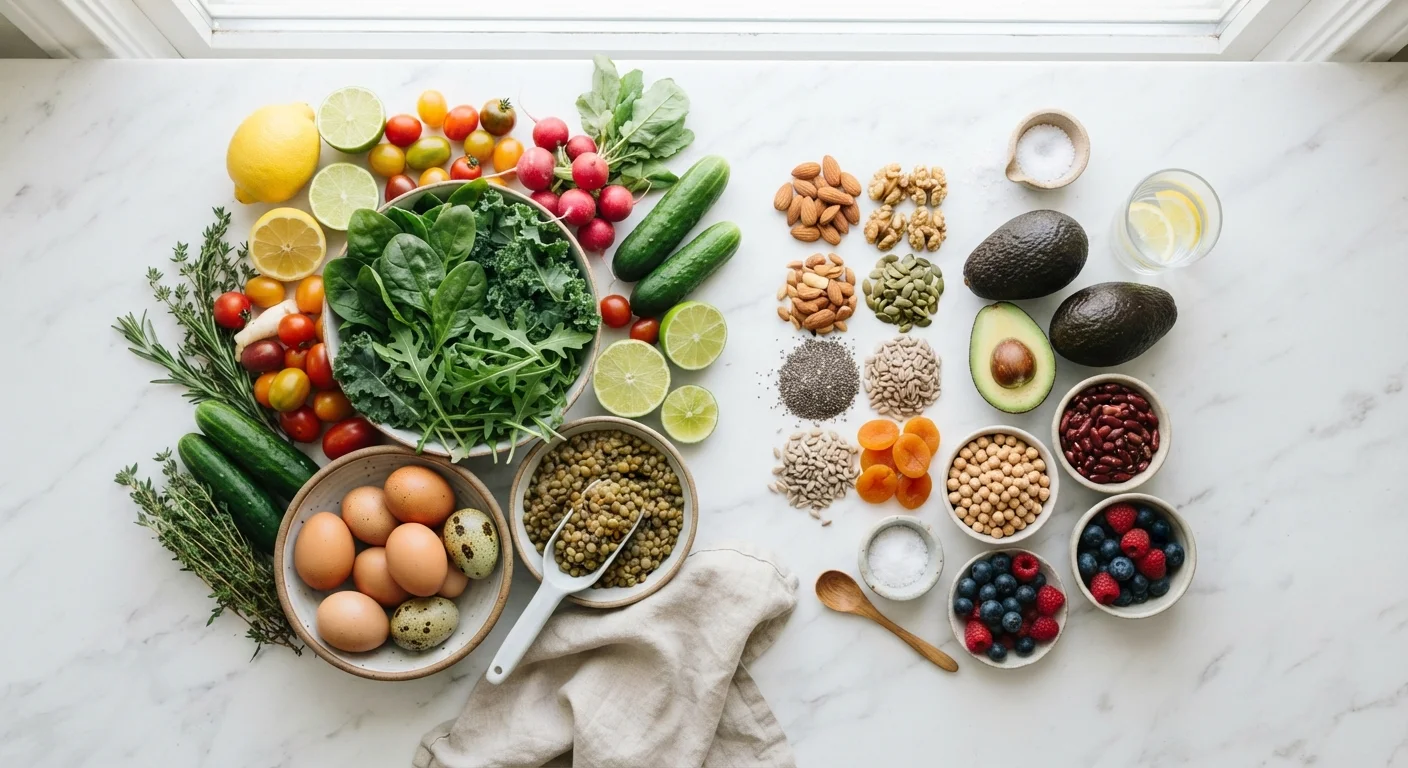
What Are Micronutrients and Why Do They Matter?
Micronutrients are vitamins and minerals your body needs in relatively small amounts — but their impact on health is anything but small. Unlike macronutrients (carbohydrates, protein, and fat), micronutrients don't provide calories. Instead, they enable nearly every biological process your body runs: converting food into energy, building and repairing tissue, regulating immune responses, and supporting brain function.
Most healthy adults can meet their micronutrient needs through a varied, whole-food diet. But certain life stages, dietary patterns, and health conditions can create gaps. Understanding what each key nutrient does — and where to find it — is a practical first step toward more informed eating. For deeper context on how nutrients appear on packaged foods, see how to read a Nutrition Facts label.
| Number of essential vitamins | 13 (National Institutes of Health, Office of Dietary Supplements) |
| Essential dietary minerals | 16 recognized (National Academies of Sciences, Engineering, and Medicine) |
| Most common global deficiency | Iron deficiency (World Health Organization) |
| Vitamin D insufficiency (U.S. adults) | ~35% (CDC National Health and Nutrition Examination Survey) |
| Potassium adequacy (U.S. adults) | Less than 3% meet the AI (2020–2025 Dietary Guidelines for Americans) |
| Fat-soluble vitamins | A, D, E, K |
Key Vitamins: Roles, Sources, and Deficiency Signs
Vitamins are organic compounds divided into two categories based on how the body stores them.
Fat-Soluble Vitamins (A, D, E, K)
Vitamin A supports vision, immune defense, and skin integrity. It's found in liver, dairy, eggs, and as beta-carotene in orange and dark leafy vegetables. Deficiency is rare in the U.S. but can impair night vision and immunity.
Vitamin D regulates calcium absorption and supports bone health and immune function. Skin synthesizes it from sunlight, but many Americans fall short — especially in northern latitudes during winter. Dietary sources include fatty fish, fortified dairy, and egg yolks. Low levels are associated with weakened bones and increased infection susceptibility.
Vitamin E acts as an antioxidant, protecting cells from oxidative damage. Nuts, seeds, and vegetable oils are top sources. Deficiency is uncommon but can appear with fat malabsorption disorders.
Vitamin K is essential for blood clotting and bone metabolism. Leafy greens like kale and spinach are the richest sources. People taking blood-thinning medications should discuss vitamin K intake with their healthcare provider.
Water-Soluble Vitamins (B Complex and C)
B vitamins — including B1 (thiamin), B2 (riboflavin), B3 (niacin), B6, B9 (folate), and B12 — collectively support energy metabolism and neurological function. Folate is critical during early pregnancy to prevent neural tube defects. B12 is found almost exclusively in animal products, making it a key concern for people following plant-based diets. See plant-based nutritional completeness for more on this.
Vitamin C supports collagen synthesis, wound healing, and immune function. It also enhances iron absorption from plant sources. Citrus fruits, bell peppers, and strawberries are excellent sources. Scurvy — a severe deficiency — is rare today but mild shortfalls can impair wound healing.
Micronutrient
A vitamin or mineral required by the body in small amounts to support essential biological functions. Unlike macronutrients, micronutrients do not provide energy (calories).
Fat-Soluble Vitamin
Vitamins A, D, E, and K dissolve in fat and are stored in body tissue. Because they accumulate, excessive intake — usually from high-dose supplements — can cause toxicity.
Water-Soluble Vitamin
B vitamins and vitamin C dissolve in water and are not stored in large quantities. Excess amounts are excreted in urine, but regular dietary intake is needed to maintain adequate levels.
Bioavailability
The proportion of a nutrient that the body can actually absorb and use. Bioavailability varies by food source, preparation method, and individual digestive factors.
Heme Iron
A form of dietary iron found in animal foods (especially red meat and shellfish) that is more readily absorbed by the body than non-heme iron from plant sources.
Trace Mineral
A mineral the body needs in very small amounts — typically less than 100 milligrams per day — such as iron, zinc, and iodine. Despite small requirements, deficiencies can have significant health effects.
Recommended Dietary Allowance (RDA)
The average daily intake level sufficient to meet the nutrient requirements of nearly all healthy individuals in a given life stage and sex group, as established by the National Academies of Sciences, Engineering, and Medicine.
Antioxidant
A compound — including certain vitamins like C and E — that helps neutralize unstable molecules called free radicals, reducing oxidative stress that can damage cells over time.
Essential Minerals: What They Do and Where to Find Them
Minerals are inorganic elements that the body cannot produce. They're grouped by how much the body requires: macrominerals (needed in larger amounts) and trace minerals (needed in smaller quantities).
Macrominerals
Calcium is foundational for bone and tooth strength, muscle contraction, and nerve signaling. Dairy products, fortified plant milks, tofu made with calcium sulfate, and leafy greens are reliable sources. Chronic low intake contributes to osteoporosis over time.
Magnesium participates in over 300 enzymatic reactions, including energy production, blood pressure regulation, and muscle function. Whole grains, legumes, nuts, and dark chocolate are good sources. Marginal magnesium intake is common in American diets.
Potassium helps maintain fluid balance, supports healthy blood pressure, and enables proper muscle and nerve function. Bananas, potatoes, beans, and leafy greens are excellent sources. Most Americans don't get enough.
Trace Minerals
Iron carries oxygen in the blood via hemoglobin. Red meat and shellfish provide highly absorbable heme iron; lentils, tofu, and fortified cereals provide non-heme iron. Iron-deficiency anemia is one of the most common nutritional deficiencies worldwide. Pair plant-based iron with vitamin C to improve absorption.
Zinc supports immune function, wound healing, and DNA synthesis. Meat, shellfish, legumes, and seeds are top sources. Vegetarians may need to consume more zinc-rich foods due to lower bioavailability from plant sources.
Iodine is required for thyroid hormone production, which regulates metabolism. Iodized salt, seafood, and dairy are primary sources in the U.S. Deficiency can cause thyroid enlargement and impair metabolism.
To see how these nutrients show up in food labels and ingredient lists, visit reading an ingredient list. For shopping strategies that put this knowledge into practice, see a practical grocery store walkthrough.
This article is for general informational and educational purposes only and is not a substitute for professional medical advice, diagnosis, or treatment. Consult a qualified healthcare provider before making changes to your diet or supplement routine, particularly if you have a medical condition or take medications.
The content on this site is for informational purposes only and is not a substitute for professional advice. Always consult a qualified professional for guidance specific to your situation.