

Our Verdict
Neither DIY nor hiring a pro is universally better — the right answer depends on the specific task, the homeowner's skill level, local permit requirements, and the consequences of getting it wrong. Routine maintenance and cosmetic improvements are often great candidates for a confident DIY approach, while structural, electrical, gas, and plumbing work tied to the main system almost always warrant a licensed professional.
| Best for | Recommended |
|---|---|
| Confident homeowners with time and basic tool knowledge | DIY |
| Projects involving electrical panels, gas lines, or structural changes | Hire a Pro |
| Large-scale renovations requiring permits and inspections | Hire a Pro |
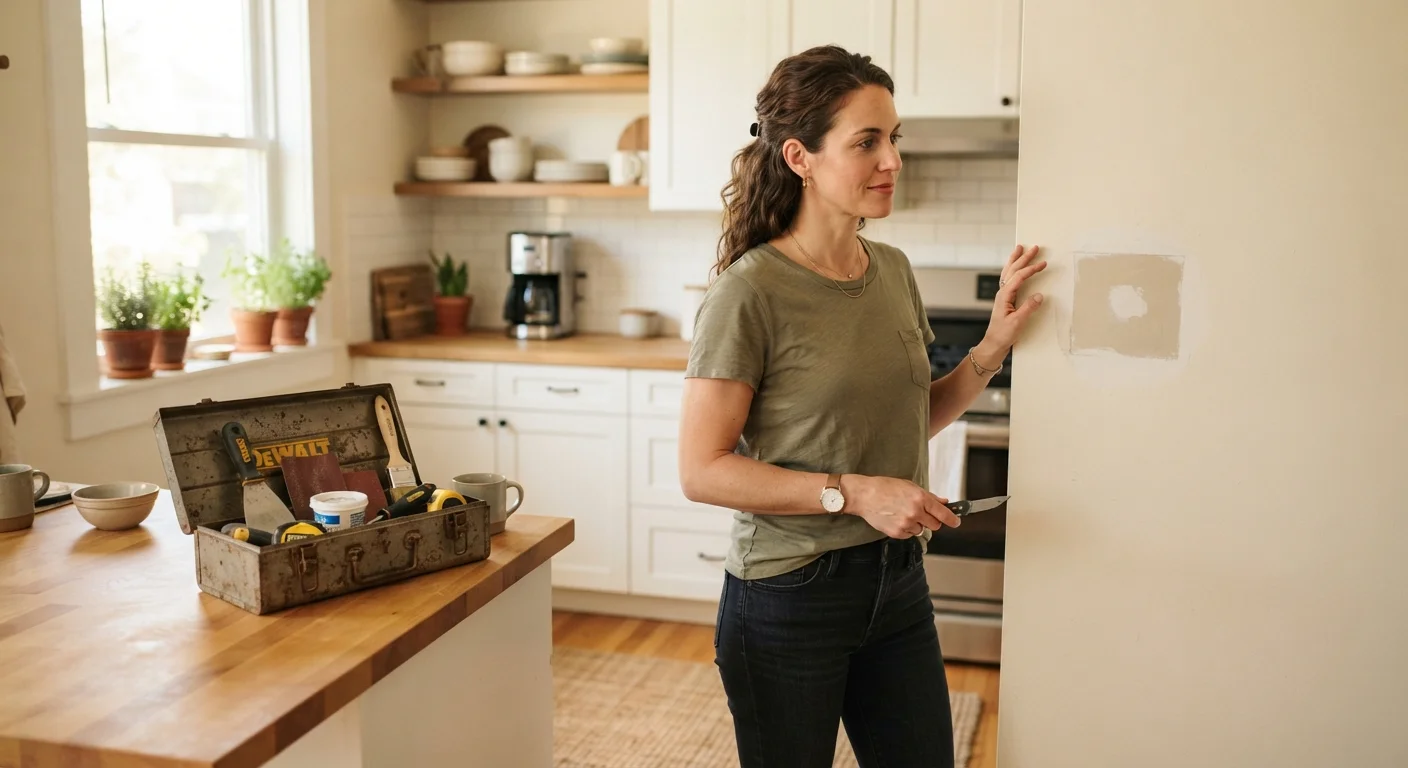
| Cosmetic repairs like painting, caulking, or patching drywall | DIY |
Why This Decision Matters More Than Most Homeowners Realize
Every homeowner eventually faces it: something needs fixing, and the question is whether to handle it yourself or call someone in. The stakes are real. Underestimating a project can lead to safety hazards, failed inspections, or repairs that cost far more to undo than the original job would have. Overestimating the difficulty — and reflexively hiring out everything — means spending money unnecessarily and missing the chance to build genuine home maintenance skills.
A thoughtful decision framework beats gut instinct every time. The goal isn't to be a DIY hero or to reflexively defer to professionals — it's to match the right approach to each specific situation. As a complement to that thinking, common home improvement myths often distort these decisions in both directions.
The Core Questions to Ask Before Deciding
Before picking up a tool or dialing a contractor, work through these four questions honestly:
- Is this project regulated? Electrical panel work, gas line modifications, structural changes, and many plumbing connections to the main line typically require permits and licensed tradespeople in most U.S. jurisdictions. Skipping permits can create serious problems at resale and may void homeowner's insurance claims. See when permits are required and why it matters.
- What's the consequence of getting it wrong? A poorly patched wall is an inconvenience. A poorly wired outlet is a fire hazard. Weigh the downside, not just the upside.
- Do I have the skill, tools, and time this actually requires? Honest self-assessment matters. Many projects look simpler on video than they are in practice — especially once walls are opened or old materials are involved.
- Will a DIY attempt save money after accounting for materials, tools, and potential mistakes? Factor in tool purchases and the realistic chance of redoing work.
| DIY | Hire a Professional | |
|---|---|---|
| Typical cost | Materials + tools only | Labor + materials; higher upfront |
| Skill requirement | Low to moderate for maintenance tasks | Handled by licensed trade expertise |
| Permit & code compliance | Homeowner responsible; easy to miss | Contractor typically manages permits |
| Safety risk | Low for cosmetic work; high for trades | Minimized when properly licensed |
| Time investment | Higher — research, prep, execution | Lower for homeowner directly |
| Quality consistency | Variable; depends on prep and skill | More predictable with vetted pros |
| Best project types | Painting, caulking, patching, cleaning | Electrical, gas, structural, major plumbing |
Tasks That Suit Confident DIYers
A wide range of routine maintenance and cosmetic work is genuinely well-suited to homeowners willing to prepare carefully. Painting interior rooms is one of the most accessible projects a homeowner can take on — proper surface prep and sequencing make the biggest difference in results. Similarly, small drywall repairs like filling nail pops or patching minor holes are approachable with the right materials and technique.
Other solid DIY candidates include: replacing air filters, cleaning gutters (with appropriate ladder safety — see gutter cleaning guidance), caulking around tubs and windows, replacing door hardware, and touching up weatherstripping. These tasks reward patience over expertise and carry manageable consequences if done imperfectly.
Start Small to Build Confidence
If you're new to DIY home repair, begin with low-stakes tasks like replacing outlet covers, caulking a tub surround, or patching a small drywall hole. Successfully completing these builds both skill and a realistic sense of your comfort level. Jumping straight to complex projects without a track record is where costly mistakes tend to happen.
When Hiring a Professional Is the Clearer Choice
Certain categories of work carry risks that make professional involvement the straightforward answer for most homeowners. Electrical work beyond simple fixture swaps, any work involving gas lines, structural modifications, roofing on steep pitches, and major plumbing connections all fall into this category. These projects are regulated for good reason — errors can endanger lives, trigger insurance complications, and create costly problems at resale.
Large-scale remodels also benefit from professional oversight even when individual tasks might be DIY-able in isolation. Bathroom renovation planning, for instance, involves sequencing, waterproofing, and code considerations that compound quickly. If you do hire out, knowing what to look for in a contractor — licensing, written contracts, payment schedules — is essential groundwork.
Unpermitted Work Can Backfire Seriously
Completing regulated work without the required permits can complicate a future home sale, result in mandatory removal of completed work, and may affect insurance coverage if damage occurs. Before starting any project that involves structural, electrical, plumbing, or mechanical systems, check with your local building department to confirm what's required in your jurisdiction.
The Middle Ground: Hybrid Approaches
Not every project is purely one or the other. Homeowners often save money meaningfully by handling preparation and finishing work themselves while leaving the technically regulated core to a licensed professional. You might demo old tile yourself, then have a plumber handle the valve rough-in before you complete the tiling. A cabinet refresh is a good example: the prep and painting stages are DIY-friendly, but layout changes touching plumbing or gas require a pro.
When evaluating a hybrid approach, communicate clearly with any contractor about which portions you plan to handle. Most licensed professionals are straightforward about what they need completed before or after their work. Consistent maintenance habits — the kind that prevent big repairs in the first place — are covered well in the full picture of home maintenance as a long-term investment.
The content on this site is for informational purposes only and is not a substitute for professional advice. Always consult a qualified professional for guidance specific to your situation.