

Understanding U.S. Traffic Laws and Signs
Traffic laws in the United States are set at both the federal and state level, meaning rules can vary by jurisdiction. Speed limits, right-of-way rules, and cell phone restrictions differ from state to state — so drivers crossing state lines should stay aware of local regulations.
Road signs fall into three broad categories: regulatory signs (such as stop signs and speed limits, which are legally binding), warning signs (alerting you to upcoming hazards like curves or merging lanes), and guide signs (providing directional and distance information). Pavement markings — including solid yellow lines, dashed white lines, and crosswalk markings — carry legal meaning too. For a thorough breakdown, see our guide to traffic signs and markings.
When in doubt about a law in an unfamiliar state, check that state's Department of Motor Vehicles (DMV) website before you travel.
Core Safe Driving Habits
Safe driving is not an event — it's a consistent practice. Certain behaviors separate predictable, cautious drivers from reactive ones, and they can be built at any stage of driving experience.
- Maintain a following distance of at least 3 seconds behind the vehicle ahead — more in poor conditions. This gives you time to brake without tailgating.
- Check mirrors every 5–8 seconds to maintain an accurate mental map of surrounding traffic.
- Eliminate distractions. Handheld phone use while driving is illegal in most U.S. states and dramatically increases crash risk.
- Signal early. Using turn signals well before a maneuver gives other road users time to react.
- Avoid aggressive driving. Speeding, unsafe lane changes, and tailgating are factors in a large share of serious crashes.
Scan the road at least 12–15 seconds ahead of your vehicle, not just the car directly in front of you. This gives you time to identify and respond to developing hazards before they become emergencies.
Professional driving instructors and fleet safety programs consistently identify forward scanning distance as one of the most impactful — and most underpracticed — skills among everyday drivers.
Before entering an intersection on a green light, pause briefly and check left-right-left for cross traffic. A green signal grants you the right of way; it doesn't guarantee other drivers will honor it.
Intersection-related crashes account for a substantial portion of traffic fatalities in the U.S. A brief cross-check adds less than a second but can prevent a collision caused by red-light runners.
For a deeper look at building these behaviors into lasting routines, visit our article on safe driving habits worth building from the start.
Driving in Adverse Weather Conditions
Weather is one of the most significant — and underestimated — variables in road safety. Rain, snow, ice, and fog each change how your vehicle handles and how quickly you can stop.
- Rain: Wet pavement significantly extends stopping distances. Slow down, turn on headlights, and watch for hydroplaning — a condition where tires lose contact with the road surface due to water buildup.
- Snow and ice: Black ice (a nearly invisible coating of ice on pavement) is especially dangerous. Accelerate and brake gently, and allow much greater following distances.
- Fog: Use low-beam headlights — not high beams, which reflect off fog and reduce visibility further. Slow down and be prepared to stop.
Conditions don't just affect your car — they affect every other driver on the road. Our dedicated guide on driving in rain, snow, and fog covers each scenario in detail.
Sharing the Road Responsibly
Motorcyclists, cyclists, and pedestrians are among the most vulnerable users on American roads. Because they have far less physical protection than occupants of a passenger vehicle, collisions involving these groups are more likely to be fatal or cause serious injury.
Key practices for drivers include:
- Check blind spots carefully before changing lanes — motorcycles can be difficult to spot.
- Give cyclists at least 3 feet of clearance when passing, as required by law in most states.
- Always yield to pedestrians in marked or unmarked crosswalks.
- Never assume a pedestrian or cyclist sees you — make eye contact where possible before proceeding.
For a comprehensive overview of your legal and practical obligations, see our article on sharing the road with motorcycles, cyclists, and pedestrians.
Blind Spots Are Larger Than You Think
Mirrors eliminate most — but not all — blind spots. A motorcycle or cyclist can be completely hidden in the zone beside and slightly behind your vehicle. Always physically turn your head to check before changing lanes or merging. This simple step takes under a second and can be lifesaving.
Highway vs. City Driving: Key Differences
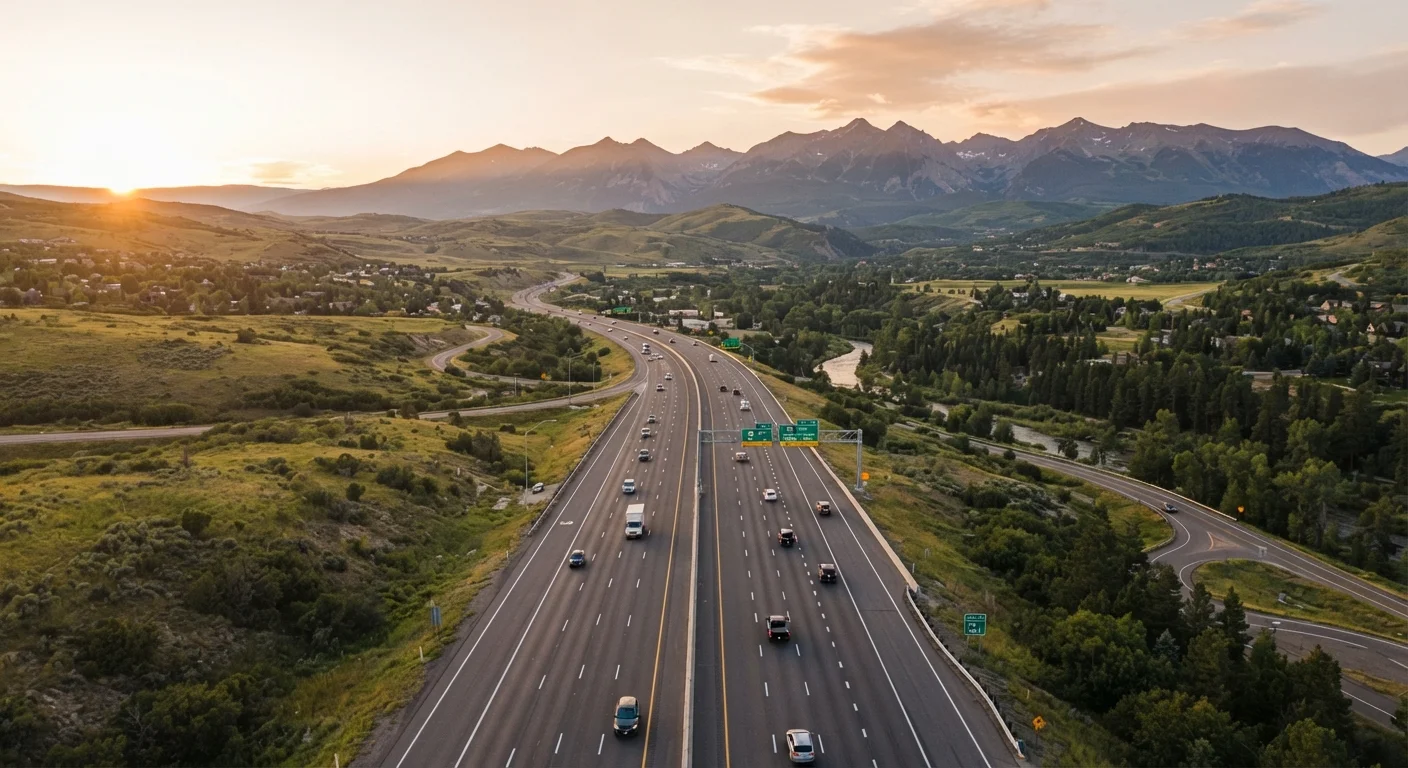
The skills required for freeway travel and urban navigation overlap but are not identical. On highways, the primary hazards include high-speed merging, driver fatigue on long stretches, and large commercial vehicles. In cities, the risks center on pedestrian activity, complex intersections, cyclists, and frequent stop-and-go traffic.
On highways: maintain consistent speeds, use the left lane only for passing, and stay alert for sudden slowdowns. If you're planning a long road trip — say, through remote terrain — preparation matters even more. Our travel resource on road-tripping the American Southwest covers practical planning for extended drives through challenging terrain.
In cities: reduce speed well before intersections, watch for pedestrians stepping off curbs unexpectedly, and be especially cautious around school zones and transit stops. For a detailed comparison of both environments, see highway vs. city driving safety habits.
Vehicle Maintenance and Road Safety
A well-maintained vehicle is a foundational safety tool. Mechanical failures — blown tires, brake fade, burned-out headlights — can limit your ability to respond in an emergency, regardless of how skilled a driver you are.
Prioritize these maintenance areas:
- Tires: Check pressure monthly and inspect tread depth. Worn tires dramatically reduce wet-road grip.
- Brakes: Listen for squealing or grinding sounds, and have brake pads and rotors inspected regularly by a qualified mechanic.
- Lights: Test all exterior lights periodically — headlights, taillights, brake lights, and turn signals.
- Windshield wipers: Replace blades at least once a year or when streaking appears; visibility is critical.
Staying on top of routine service intervals protects both your safety and your vehicle's long-term reliability. Explore our car maintenance hub for guidance on essential upkeep tasks.
This article is intended for general informational purposes only. Traffic laws vary by state — always verify local regulations with your state's DMV or a qualified legal source. For complex vehicle repairs, consult a licensed mechanic.
The content on this site is for informational purposes only and is not a substitute for professional advice. Always consult a qualified professional for guidance specific to your situation.